
Use the Sunbelt Rentals App
Find, rent, and return equipment, right at your fingertips

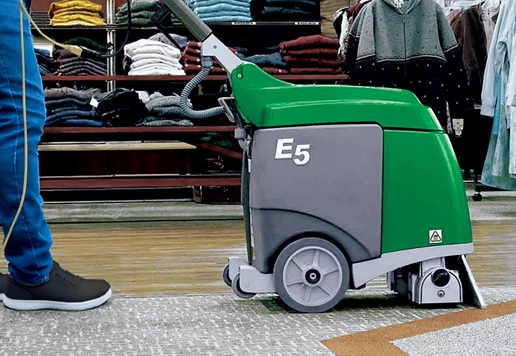
Commercial carpets trap moisture, debris, and pollutants and wear down from constant foot traffic. Over time, buildup dulls the appearance and degrades the material, even with regular vacuuming.
An industrial carpet shampooer primarily agitates and scrubs surface fibers, which can leave behind residue and moisture if not followed by thorough extraction. A commercial carpet extractor reaches below the surface to lift what other cleaning methods leave behind. For most facilities, using an extractor once or twice a year is sufficient to maintain cleanliness and extend the life of the carpet.
Renting this equipment from Sunbelt Rentals keeps your floors fresh without the cost or hassle of owning and maintaining a machine year-round.
Essentials of Commercial Carpet Extraction
In this article, we’ll cover everything from understanding when extraction is needed to choosing between renting and buying equipment, helping you make informed decisions that protect your flooring. Click any link below to learn more:
Key Takeaways
- Commercial carpet extractors reach deep into carpet fibers to remove embedded dirt and moisture that regular cleaning methods miss.
- Most facilities benefit from using extractors once or twice per year to maintain cleanliness and extend carpet life.
- Proper technique involves slow, overlapping passes with adequate drying time between cleaning and reopening spaces.
- Renting provides access to professional-grade equipment without the costs and storage requirements of ownership.
What Is a Commercial Carpet Extractor?
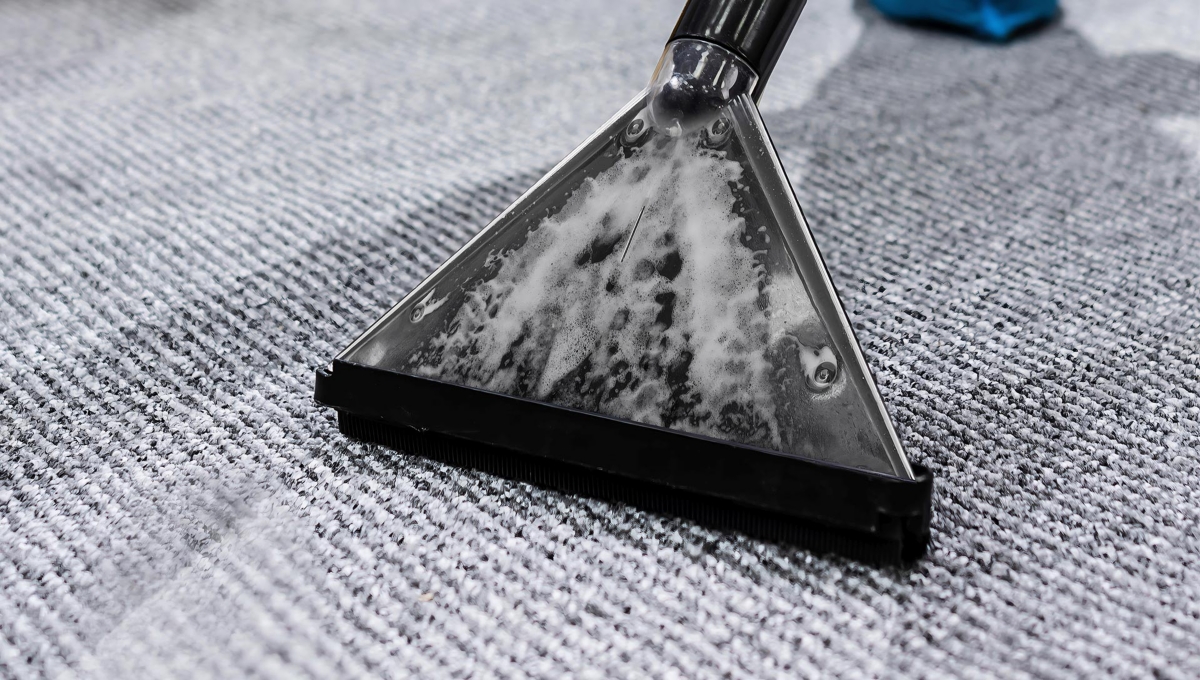
A commercial carpet extractor is a heavy-duty cleaning machine designed to pull out embedded dirt, grime, and moisture from deep within carpet fibers. Unlike surface-level cleaning tools like vacuums or low-power scrubbers, extractors combine hot water, suction, and specialized solutions to reach the material's base—removing what routine cleaning often leaves behind.
The Difference Between Commercial and Residential (Home) Carpet Extractors
At first glance, residential and commercial carpet extractors might seem similar—they both spray, scrub, and extract dirt using cleaning solutions and suction. But the differences in power, capacity, and application are substantial:
- Power and Performance: Commercial extractors use stronger motors and higher pressure to clean large areas quickly and thoroughly. Residential models are gentler and better suited for occasional use on light carpet.
- Tank Size and Coverage: Larger tanks in commercial machines allow for extended operation without frequent refills. Residential extractors often require more frequent emptying and refilling, which limits their efficiency in larger spaces.
- Durability and Design: Built for frequent, heavy-duty use, commercial machines feature reinforced components and rugged construction. Residential units are more compact and lightweight but may wear out under commercial demands.
- Use Case Fit: A residential extractor works for spot cleaning and small rooms. For retail, education, healthcare, or office environments with daily foot traffic, commercial machines offer better long-term performance and renting them keeps costs low while delivering professional results.
In retail settings, poor floor shine alone can lower a facility’s appearance rating by up to 75%, while 60% of shoppers say a clean environment makes them more likely to buy—proof that well-maintained carpets do more than look good; they drive real results.
When to Use a Commercial Carpet Extractor
Commercial carpet extractors come into play when surface-level cleaning is no longer sufficient. In most busy facilities, carpets begin to show signs of embedded grime long before visible dirt appears. That’s why timing extractor use is less about appearance and more about knowing what’s happening below the surface.
Deep Cleaning of Carpets
As people move through your space, carpets quietly absorb moisture, dust, pollen, and residue from shoes. Over time, this creates a compacted layer that resists vacuuming and traps odors. Even freshly vacuumed carpets can feel dense or smell musty when buildup takes hold. A commercial extractor reaches that hidden layer, removing compacted debris and restoring softness and freshness in one pass.
Removing Tough Stains
In high-traffic areas, accidental spills and tracked-in messes are unavoidable. Coffee in a waiting room, grease in a service corridor—some stains bond quickly to fibers. Using a commercial extractor gives you the power to remove these problem spots with minimal disruption. Rather than scrubbing or soaking, it delivers a fast, targeted clean that lifts residue without damaging the surface.
Heavy-Duty Cleaning Tasks
Construction dust, water damage, and post-event messes present challenges that exceed the capabilities of light-duty tools. For jobs like these, extractor-level power is essential. Renting commercial equipment gives you the muscle you need without the overhead of ownership.
For more info, see our video on maintaining a safe and clean work environment using the right floor equipment.
How to Use a Commercial Carpet Extractor
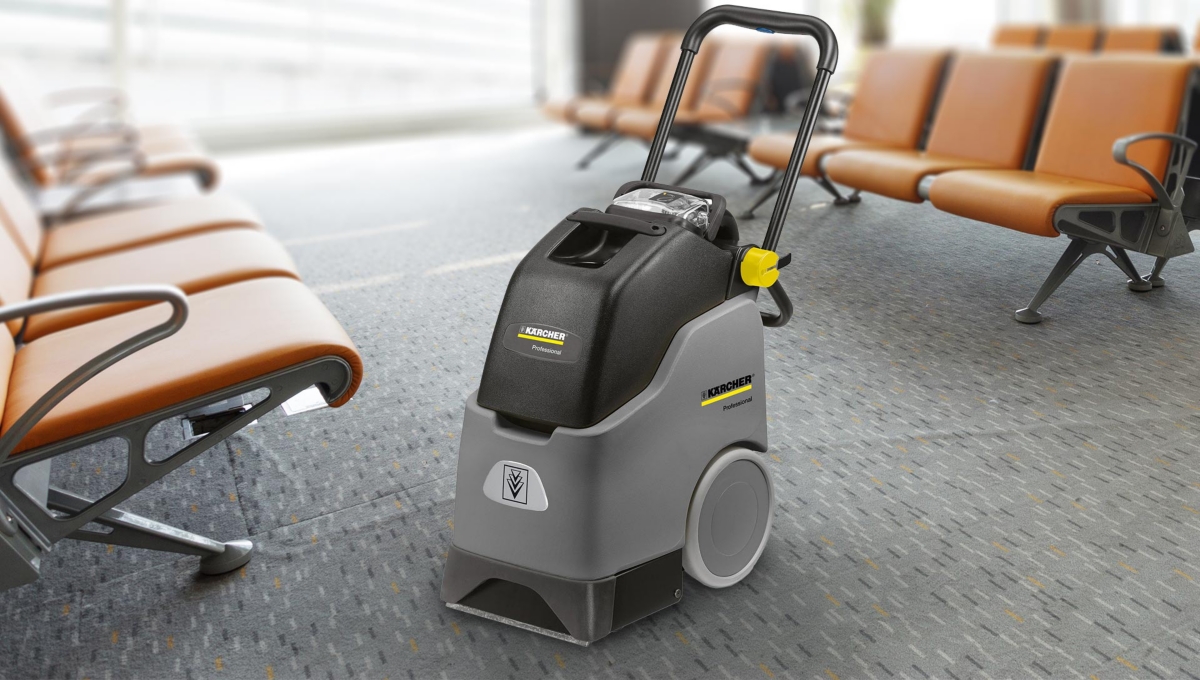
Below is a breakdown of how to approach your cleaning day with confidence.
Preparation & Set-Up
Before you begin cleaning, clear the space and thoroughly vacuum the carpet to remove any loose debris. This helps the extractor work more efficiently by focusing on embedded dirt and residue. Check the equipment’s connections, tanks, and power cord before use.
If you’ve rented the machine from Sunbelt Rentals, it will already be inspected and ready to go; however, reviewing it on-site adds peace of mind. Once the room is prepared, ensure the machine is positioned within reach of a safe power source.
Pre-Treatment of the Carpet: For heavily soiled areas, pre-treatment can improve cleaning results. Apply a diluted carpet solution using a sprayer or the machine’s pre-spray function. Let it sit briefly so the solution can begin loosening the buildup, but don’t oversaturate the area. Pre-treatment is especially useful in entryways, corridors, or areas with visible staining.
Proper Cleaning Technique
With the machine filled and prepped, begin cleaning by moving slowly across the carpet in straight lines. Engage the spray and vacuum functions evenly, allowing the extractor to lift moisture and residue in a single pass. Avoid rushing, as working too quickly can leave solution behind or reduce cleaning depth.
Operating the Extractor: Hold the handle firmly and walk at a steady pace to avoid saturating the carpet. Pause occasionally to check the recovery tank and monitor foam levels. If needed, add a defoamer to prevent overflow. Work in overlapping passes to create consistent coverage, and empty the tank when it is full to maintain strong suction.
Post-Treatment of the Carpet: Once extraction is complete, review the surface for missed spots or uneven areas. Any sections that appear damp or streaked can be re-treated using the same method. Allow the carpet to dry fully before returning furniture or opening the space to foot traffic. Depending on the carpet type and airflow, this may take several hours.
Maintenance and Storage
After cleaning, proper care of the machine extends its lifespan and keeps it performing well for future jobs. Begin by flushing the tanks and hoses with clean water to remove leftover solution.
Cleaning and Maintaining the Extractor: Run clean water through the system for a few minutes, then completely empty the tanks. Wipe down the housing and handle with a damp cloth. Rinse any removable filters and let them air dry before storing. Always unplug the machine before performing any maintenance.
Storing the Extractor Properly: The extractor should be stored in a dry, dust-free location. Leave the recovery tank lid open to allow ventilation and prevent odors. If the machine has detachable parts, keep them together and organized so it’s ready to go for the next use or rental period.
Increased Efficiency and Productivity
Commercial carpet extractors reduce the need for repeated manual cleaning, saving time, labor, and equipment wear. Instead of cycling through vacuuming, spot-treating, and scrubbing separately, a single pass with an extractor handles deep cleaning, stain removal, and moisture control at once.
Improved Air Quality
Beneath carpet fibers, allergens, mold spores, dust mites, and fine debris often linger long after surface cleaning. Extractors reach deep into the padding to remove these trapped particles, thereby improving air circulation and reducing exposure to respiratory irritants, chemical residue, and odors. For environments like schools and healthcare facilities, that deeper clean contributes to a healthier indoor space overall.
Prolonged Lifespan of Carpets
Over time, grit and grime wear down carpet fibers, resulting in fraying, matting, or premature color fading. Regular deep cleaning with a commercial extractor helps maintain fiber integrity, revives texture, and extends the usable life of carpets, ultimately delaying the need for replacement or repair.
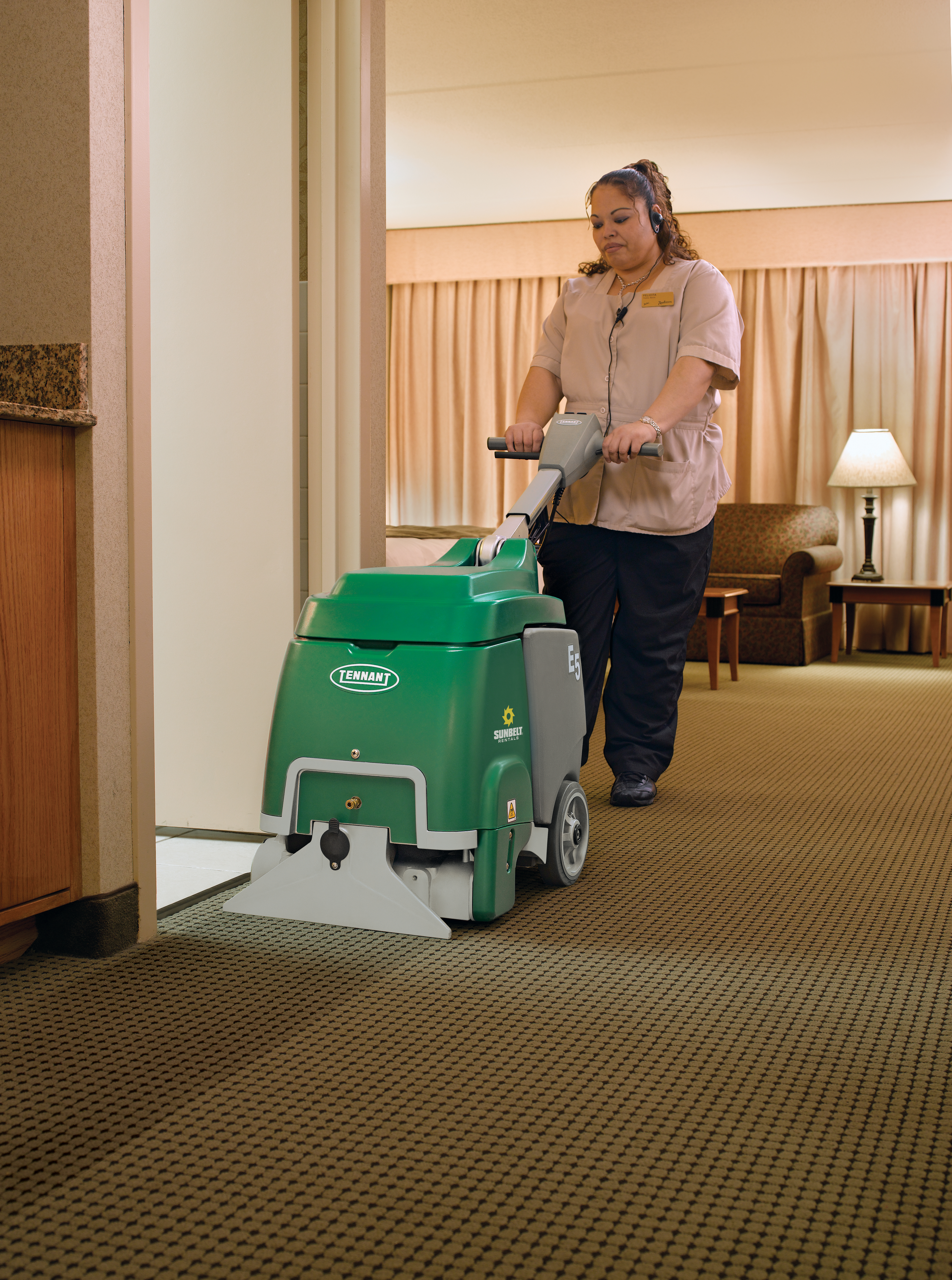
Renting vs. Buying a Commercial Carpet Extractor
Facility managers often wonder whether to purchase a carpet extractor outright or rent one as needed. The right choice depends on the scale of your cleaning needs and how frequently you plan to perform deep cleanings. Considering the following pros and cons can help you decide:

- Lower upfront cost and no long-term commitment
- Access to the latest models without ownership responsibilities
- Equipment is professionally maintained, cleaned, and inspected
- No need to store or service the machine between uses

- Rentals are affordable upfront, but the cost can add up over time
- Availability may be limited, so you may need to plan ahead
- Equipment is always available on demand
- Long-term savings for high-frequency use
- Greater control over maintenance routines and accessories
- No scheduling or pickup logistics
- Can be a significant investment with high upfront costs
- You’re responsible for the upkeep and maintenance
- Need to have room to store the equipment when it’s not in use
Factors to Consider
Job Frequency: Facilities that deep clean carpets several times a month may find that owning an extractor provides more convenience. However, if you only need extraction seasonally or after major events, renting will likely be a more cost-effective option.
Budget: Renting helps you manage costs on a project-by-project basis without requiring a large initial investment. You also avoid repair bills, depreciation, and parts replacement, which can add up over time with ownership.
Space Availability: If your storage areas are already at capacity, adding bulky cleaning equipment can create new challenges. Renting allows you to return the extractor as soon as the job is done, freeing up valuable square footage for other essential equipment.
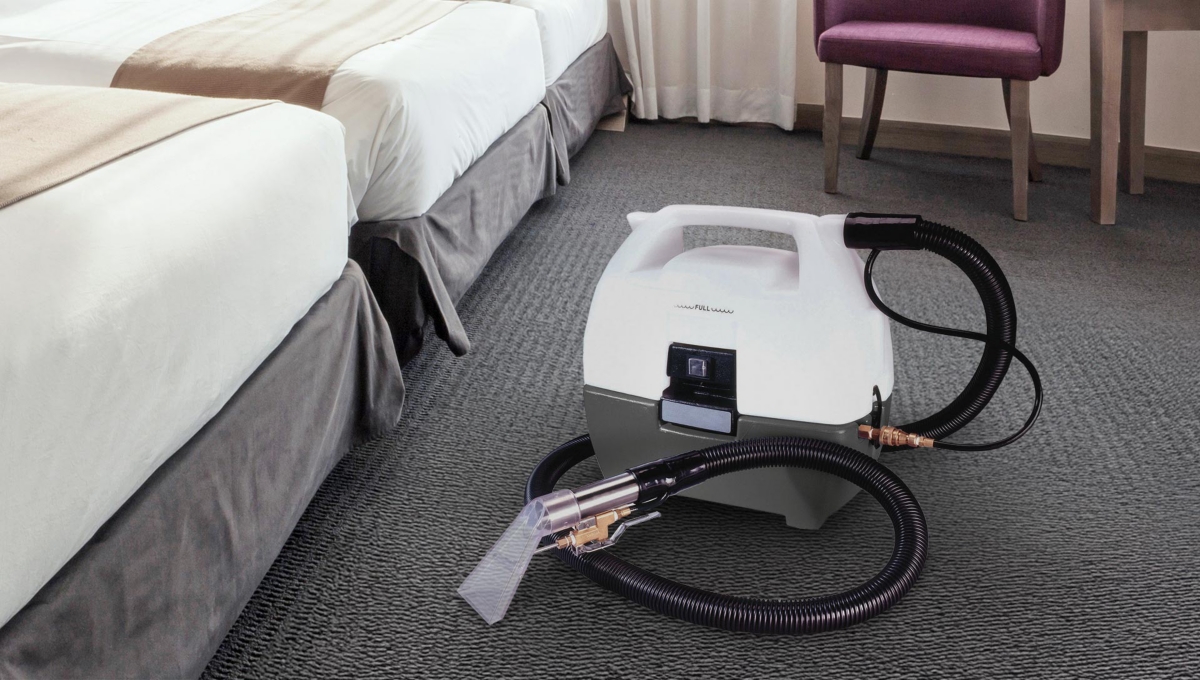
If you’re ready to get started, Sunbelt Rentals offers a range of extractors to match the size and scope of your project. For larger commercial spaces, the 15-gallon heated carpet extractor provides extended runtime and powerful suction.
Smaller offices or tighter spaces may benefit from the compact 4-gallon electric extractor, while mid-size environments often use the 10–12-gallon model for balanced performance. For projects involving carpet and hard flooring, the metal bond diamond tool helps tackle surface prep and finish restoration.
Commercial Carpet Extractor FAQs
Commercial carpet extractors are most effective on durable, synthetic carpets commonly found in offices, retail spaces, and industrial settings. They’re designed for low- to medium-pile surfaces that can handle moisture and suction without damage.
Rentals typically include a recovery tank, solution tank, wand attachments, and hoses. Some models may also come with upholstery tools or stair-cleaning accessories, depending on availability.
Carpet extractors use warm water and suction. Steam cleaners rely on high heat and vapor, making them more suitable for surface sanitizing than for deep extraction.
Summary
Over time, routine cleaning can leave behind residue that settles deep into the fibers, affecting air quality and surface performance. A commercial extractor removes that buildup at its source, helping restore the feel of the floor and reducing wear over time.
Renting from Sunbelt Rentals means you get high-performance flooring equipment without the cost, storage, or upkeep of ownership. It’s a practical and reliable way to keep your facility looking sharp and operating at its full standard.
If you're unsure where to start, contact our floor care team for personalized recommendations on your next deep-cleaning project.


