Use the Sunbelt Rentals App
Find, rent, and return equipment, right at your fingertips

Key Factors that Determine Manlift Rental Rates
Manlift rental rates depend on several factors you should aim to identify early in your planning. The machine you choose has the biggest impact on the final price. For instance, a 185-foot ultra-boom costs significantly more to rent than a 12-foot mast lift because of the difference in equipment value and maintenance requirements.
Your project’s location and the length of the rental also play significant roles in the final quote. Being aware of these variables helps you estimate the man lift rental cost more accurately before you start. Plus, it helps you see where you might be able to adjust your plans to save money.
What Type of Industrial Manlift Does Your Project Need?
Selecting the correct lift is essential for safety and efficiency, and it directly affects the price. Each machine has a different rate structure, so matching the specs to the application saves money.
Here’s a breakdown of the common types and where they fit best:
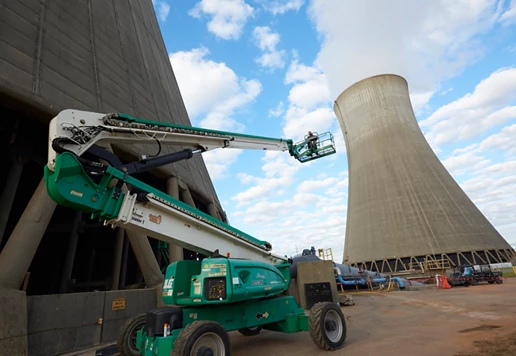
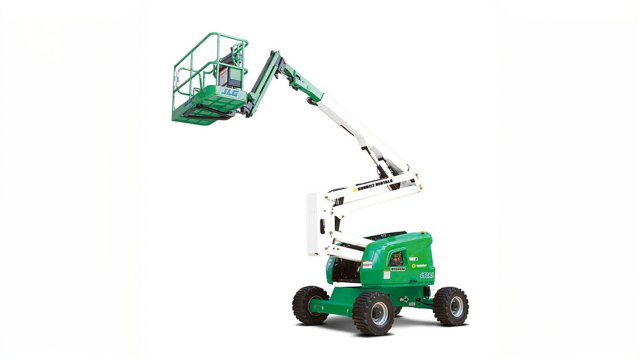
If you need to reach up and over machinery or obstacles, this is the best choice. These versatile machines allow for precise positioning in hard-to-reach areas. They’re perfect for crowded job sites where a direct path to the work area is blocked by other structures or piping.
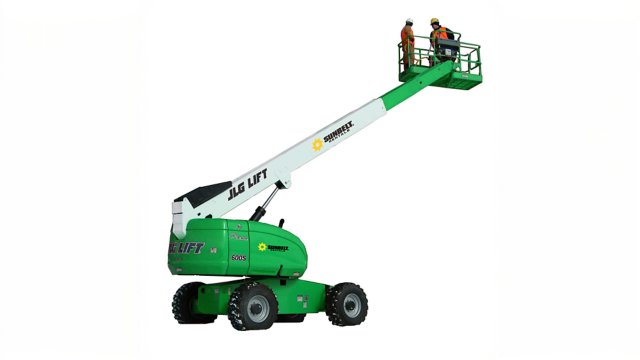
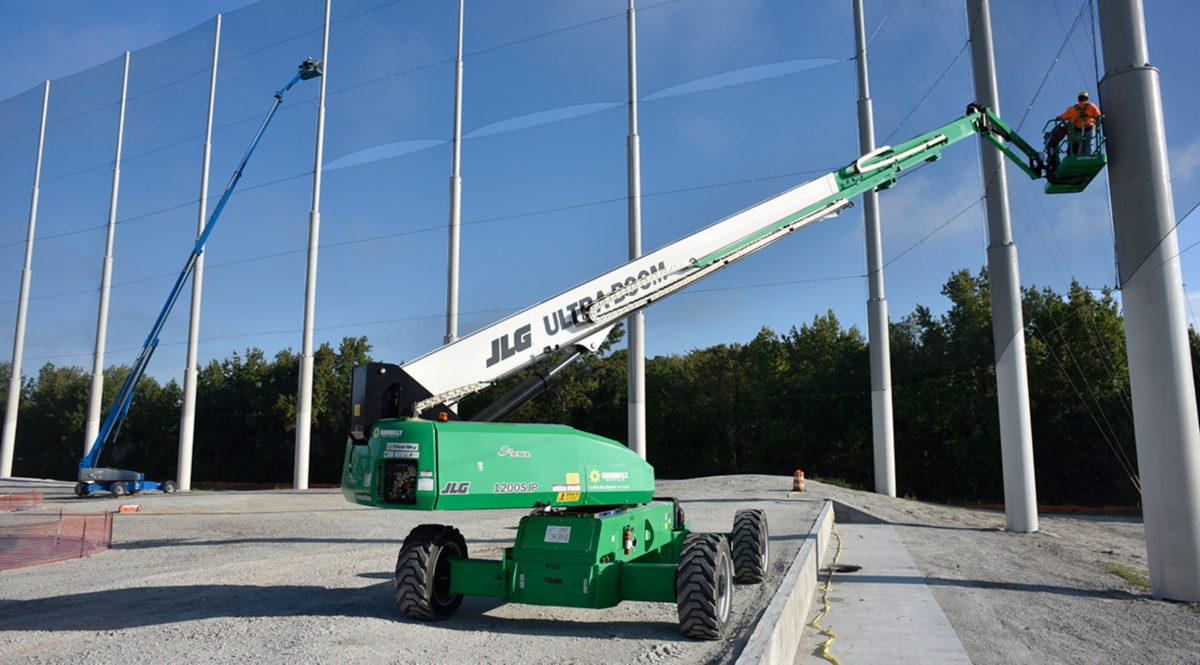
For direct vertical or horizontal reach where obstacles are not an issue, this type works well. It often provides greater outreach than other models. You should choose this for open construction sites or exterior building maintenance where you need maximum height and stability.
Compact spaces might require this smaller unit to fit through tight areas. It can navigate narrow aisles and fit through standard doorways. That makes it an excellent option for facility management teams that need to work in finished buildings without disrupting operations.
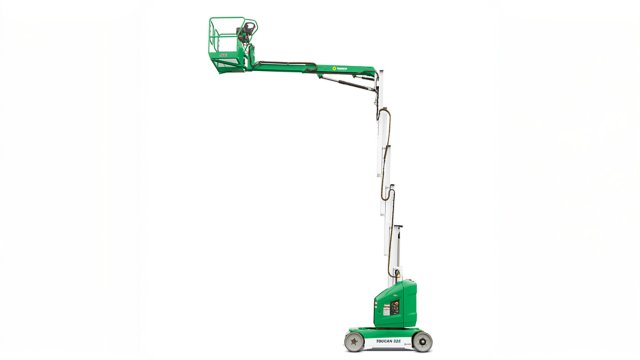
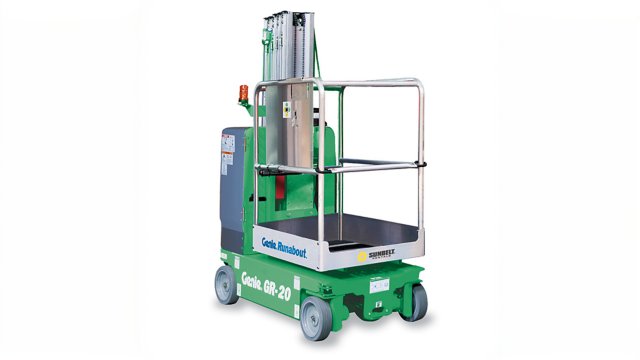
These lifts offer great mobility for indoor maintenance or warehouse work on smooth surfaces. Your team can drive the machine while elevated. That feature significantly speeds up repetitive tasks like inventory management or electrical repairs since you do not have to lower the platform to move.
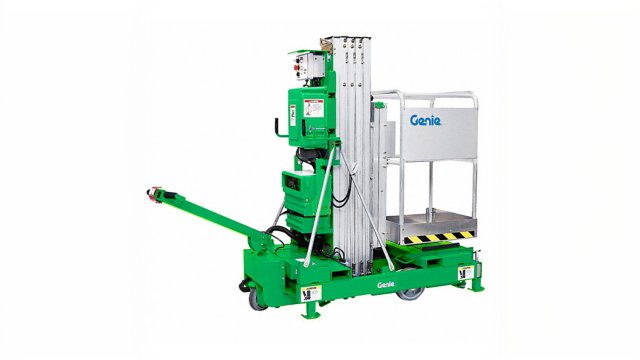
If you need a lightweight option for delicate floors, this is a smart solution. It’s cost-effective because it lacks complex drive motors, and it’s easy to transport and set up, making it ideal for quick tasks such as painting or changing signage in lobbies.
How Long Do You Need Your Rental?
Rental duration significantly influences the total cost of a manlift rental. Most suppliers offer daily, weekly, and monthly rates. A longer rental period typically lowers the effective daily rate. If you need man lifts for rent for a continuous 6-week project, a monthly rate will be more economical than paying by the week. Planning your schedule carefully can unlock these savings.
Additionally, think about the potential for project delays. Renting for a slightly longer buffer period might be cheaper than extending a rental at the last minute or paying for re-delivery.
Where Are You Located?
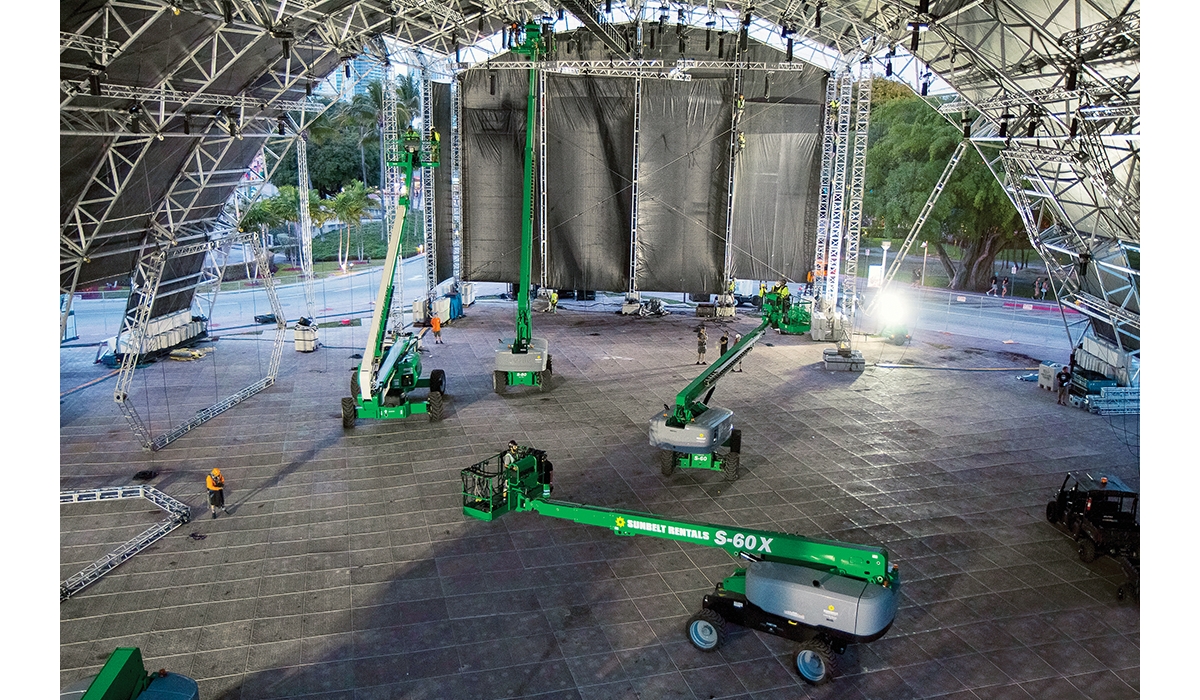
Your job site location affects pricing due to regional demand and transport logistics. Manlift rental prices in a busy urban center might differ from those in a rural area due to local availability and operating costs. Transporting heavy equipment requires specialized trucks, so the distance from the rental branch to your site adds to the cost.
When you look up “manlift rental costs near me,” choosing the closest reputable supplier minimizes delivery fees. Local availability can also shift pricing, so booking early is always a good strategy.
Do You Need Any Additional Equipment Features?
Specialized features can add to the base rate of renting a manlift. For example, you might need non-marking tires for indoor work to protect finished floors. Some sites require an onboard generator to provide power to the platform for tools.
These additions make the job easier, but be sure to check if they’re standard or extra. Small man lifts for rent might come with different standard features than large rough-terrain booms. Knowing exactly what the job requires helps you avoid paying for features you don't need or scrambling to add them later.
Who Are You Renting From?
The rental partner you choose matters. Reputable companies invest in maintenance and safety inspections. Upon first glance, a random single-man lift for rent, or a one-man lift for rent from a budget yard, might seem cheap, but a breakdown due to subpar equipment costs more time and money.
Renting a quality manlift from a trusted provider keeps your team working safely. Support and service availability are part of the value you’re paying for, which means having a partner who can respond quickly if you have questions or if the machine needs attention during your rental.
Other Manlift Rental Cost Considerations
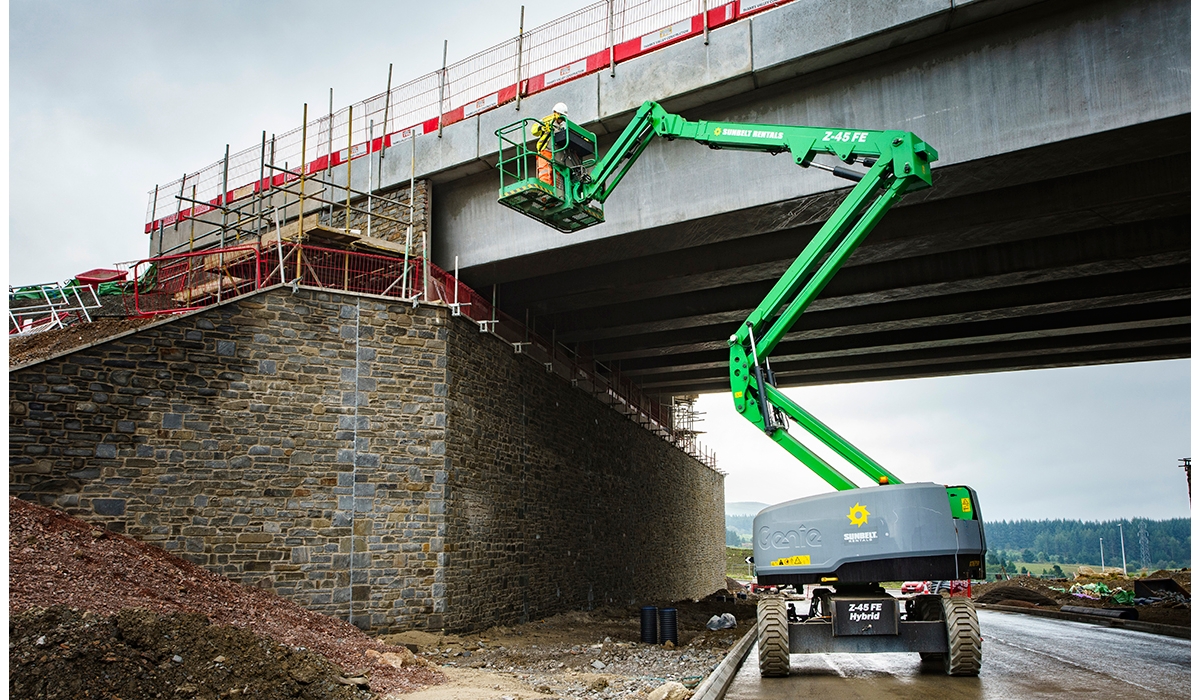
There are a few other line items to watch for in your manlift rental quote. Delivery and pickup fees are standard for heavy machinery because they require haulers. Fuel charges apply if you return the equipment with less fuel than when it arrived. An environmental fee or a damage waiver might also appear on the invoice to cover compliance and potential minor repairs.
Ask about these upfront so you know the total cost of renting a manlift before you sign the contract. Transparency in billing is a sign of a good rental partner. How much does it cost to rent a man lift? This is a question that should have a clear and all-inclusive answer.
Should You Rent or Buy Manlifts?
Deciding between renting and buying a manlift for your jobsite is a common dilemma. Renting is often the smarter financial move for project-based work. You avoid a large capital expense commitment upfront, which frees up cash flow for other project needs. Additionally, there are no storage or maintenance costs to eat into your budget during downtime.
Renting lets you try out the latest innovative technology and means you always have access to top-quality equipment that follows the highest level of safety standards. Plus, you can always get the right equipment when and where you need it. If your workload varies or you need different types of lifts for different jobs, renting is usually the superior choice.