
Use the Sunbelt Rentals App
Find, rent, and return equipment, right at your fingertips


What Is a Load Bank?
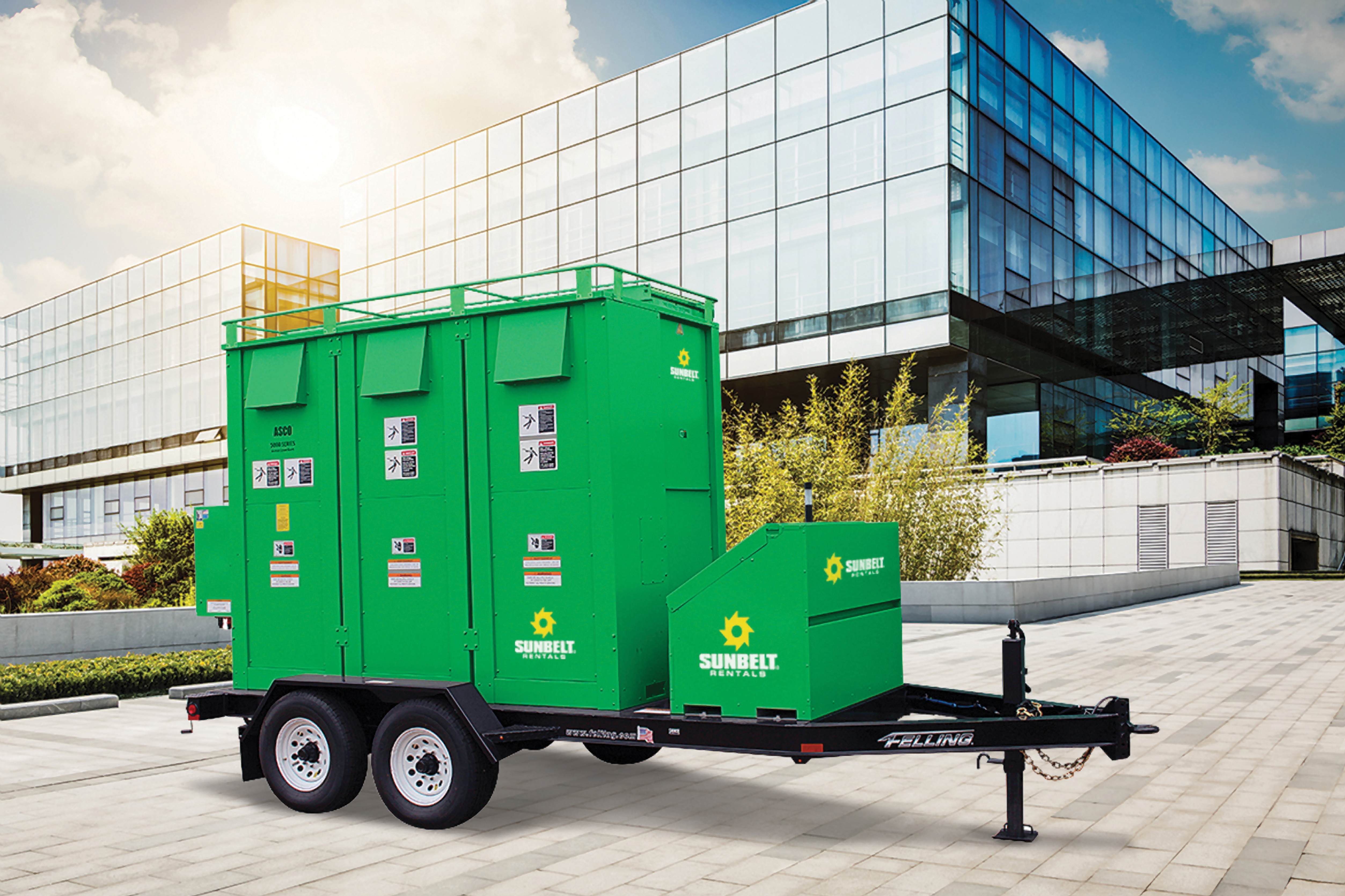
A load bank is a piece of electrical test equipment used to simulate an electrical load. You use it to test an electric power source like a generator or uninterruptible power supply (UPS) without connecting it to your normal operating load.
What is load banking? It is the process of using this equipment to verify that your power source can handle its rated capacity to ensure it works during a real outage.
Simulating Electrical Loads
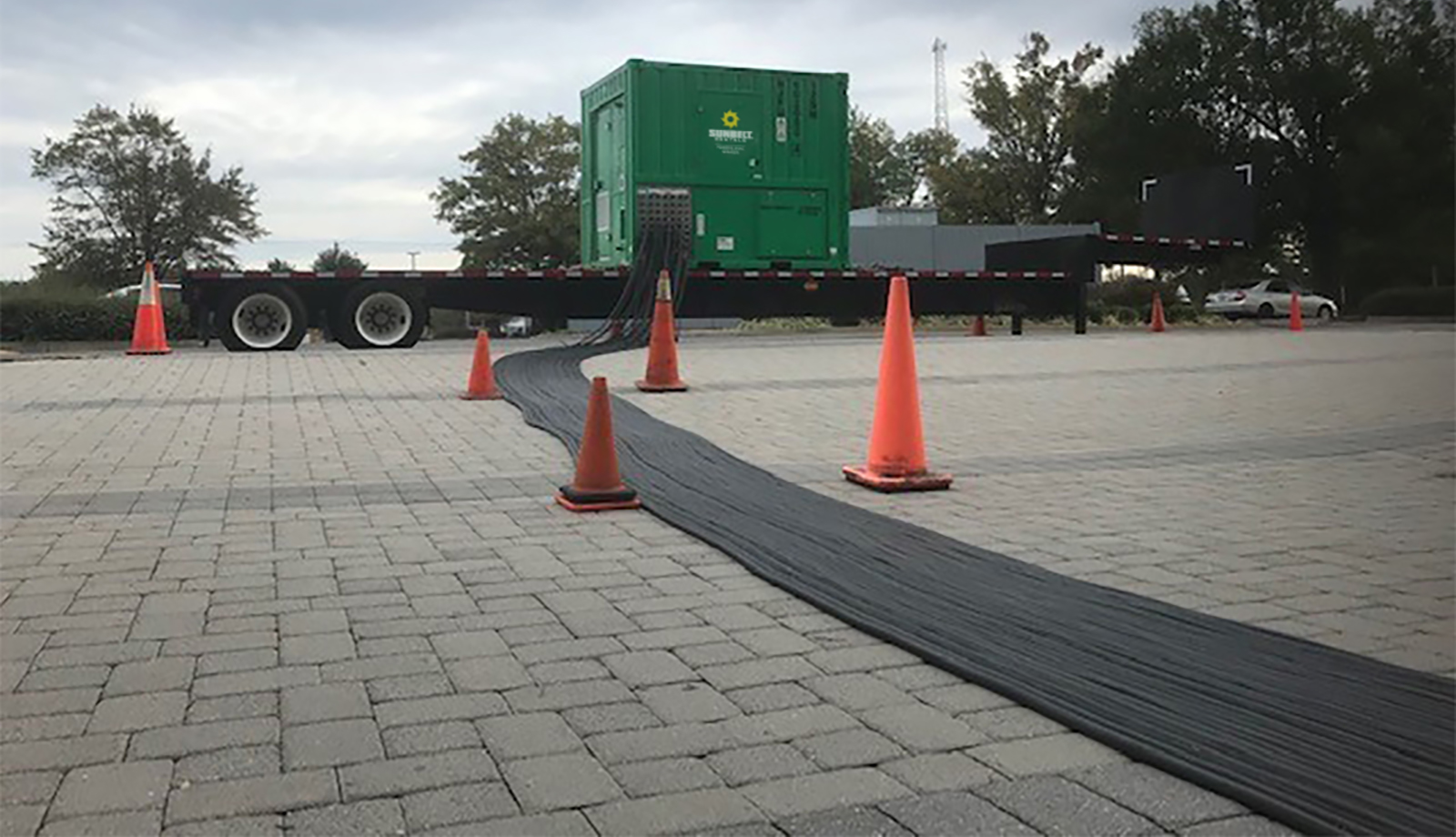
Simulating electrical loads involves applying a controllable, constant resistance to the power source to mimic the demand of your facility. This allows engineers to verify that the engine, alternator, and cooling systems are working together correctly.
Unlike the fluctuating power usage of a building, a load bank provides the steady, measurable resistance needed for accurate diagnostics.
Load Bank vs. Real-World Load
Using a load bank is safer and more accurate than testing with your facility's real-world load. Relying on live building loads creates risk because you must interrupt utility power, which could jeopardize critical operations if the backup fails.
Additionally, real-world loads rarely push a generator to 100% capacity, meaning they fail to stress the system enough to reveal hidden mechanical issues.
Why Load Bank Testing Matters
Load bank testing matters because it validates that your equipment is capable of generating the power it’s rated for over an extended period. Without this proof, you’re relying on an unverified system that could fail when you need it most.
Preventive Maintenance & Reliability
Preventive maintenance relies on load banking to stop wet stacking in diesel engines. This condition occurs when an engine runs with little to no load, causing unburned fuel and soot to accumulate in the exhaust system.
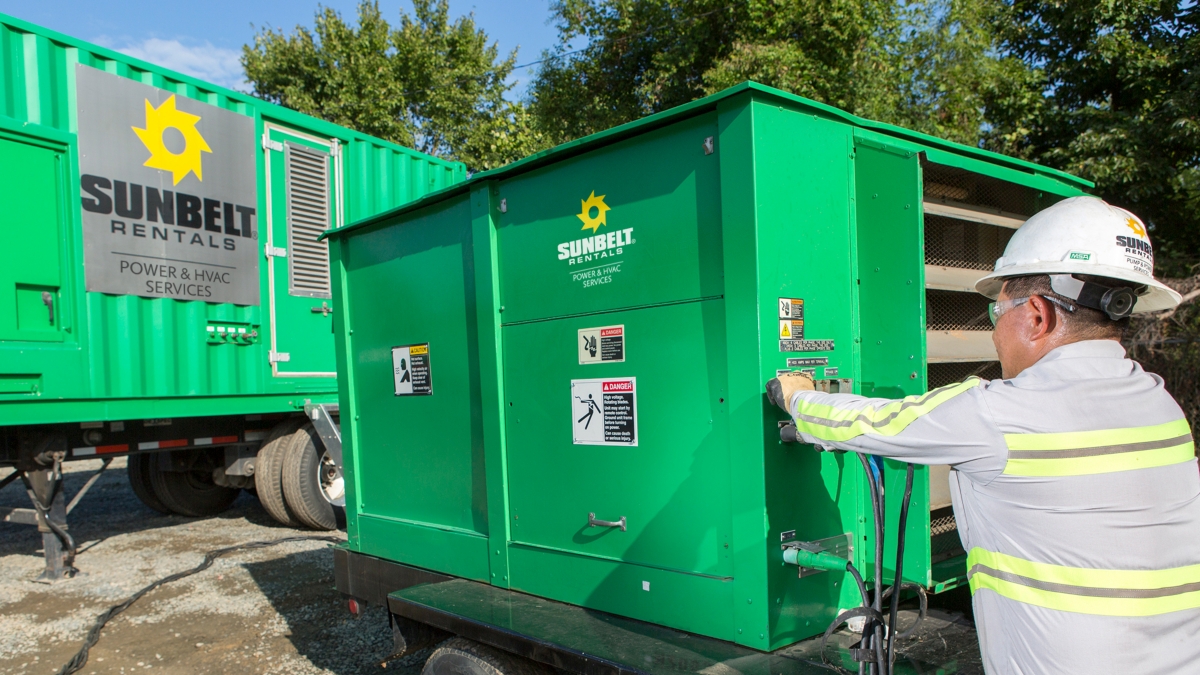
Connecting a load bank for generator maintenance allows the engine to reach its optimal operating temperature, burning off these deposits and keeping the system clean.
Compliance & Safety Assurance
Compliance standards in many industries explicitly require regular load testing to ensure safety. Sectors like healthcare and data centers must meet strict codes (such as NFPA 110) that mandate documented proof of reliability.
A successful load bank test provides the data you need to satisfy inspectors and insurance carriers that your system is audit-ready.
Ensuring Generator/UPS Readiness
Ensuring generator and UPS readiness means finding faults before they cause a blackout. Testing uncovers hidden weaknesses—like faulty connections, deteriorating batteries, or cooling issues—in a controlled environment. It's far better to identify a cooling hose failure during a scheduled test than during a crisis.
Types of Load Banks
There are several types of load banks available, and selecting the right one depends on the specific power characteristics you need to test. For a detailed breakdown of the physics, visit our guide on the types of load banks.
Resistive: A resistive load bank is the most common unit and simulates resistive loads like lighting and heating. You use this to test the prime mover (engine) and its capacity to produce power.
Inductive & capacitive: An inductive load bank or capacitive load bank is necessary when you need to test loads that create lagging or leading power factors, such as motors and transformers.
Combined units: A resistive/reactive load bank combines these functions, allowing you to test both the engine and the alternator fully.
Specialty units:
- DC units: A DC load bank is designed specifically for testing battery strings and UPS systems.
- Medium voltage: A medium voltage load bank connects directly to high-voltage sources (like 13.2kV) without a transformer.
- Water cooled: A water cooled load bank uses liquid to dissipate heat, making it ideal for compact or noise-sensitive environments.
How Load Bank Testing Works
The testing process is designed to stress the system safely and incrementally. Technicians typically connect the unit and ramp the load up in steps—from 30% to 100%—while closely monitoring oil pressure, coolant temperature, and voltage stability.
Load bank testing confirms that the generator can sustain its output without overheating or shutting down under pressure.
We go into more detail about how load bank testing works on our YouTube channel.
Short-Term Testing Needs
Short-term testing needs, such as commissioning a new facility or performing annual maintenance, are perfect for rentals. Renting saves you the cost of storing and maintaining a unit that would otherwise sit idle for the majority of the year.
Project-Based Applications
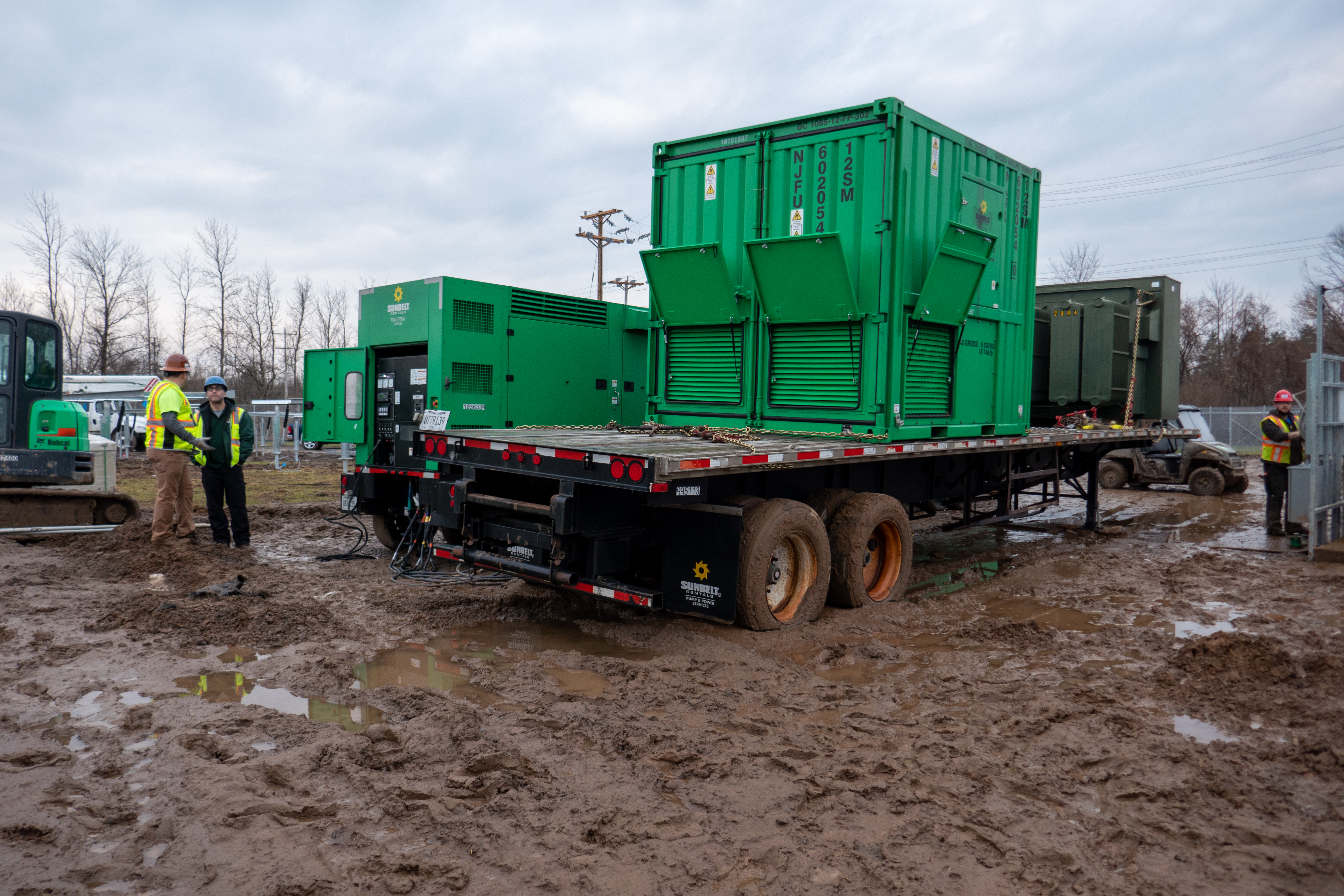
Project-based applications often require industrial load banks for a specific duration, such as commissioning renewable energy sources. A rental unit can be deployed to the site for the exact timeline of the project and returned once the grid is live.
Seasonal or Emergency Readiness
Seasonal or emergency readiness is a common reason facility managers rent units. Securing a load bank before storm season or a heatwave allows you to verify your backup systems are ready for the increased threat level.
Benefits of Renting vs. Buying
The benefits of renting vs. buying include access to the latest technology and proper sizing. Renting ensures you always have a unit that fits your current generator, whereas a purchased unit might become undersized if your facility expands.
How to Choose the Right Load Bank Rental
Choosing the right load bank rental demands that you match the equipment specifications to your power source and site conditions. When browsing load bank rentals, consider the factors below.
Matching Load Type to Application
Matching the load type to the application ensures you get accurate results. If you need to test engine health, a resistive unit is sufficient; if you need to test the full system's response to complex facility loads, you need a reactive unit.
Load Size and Duration Needs
Your load size and duration needs determine the capacity of the unit you must rent. You should always select a unit with a slightly higher rating than your generator to ensure you can test at full capacity without pushing the test equipment to its limit.
Site Requirements
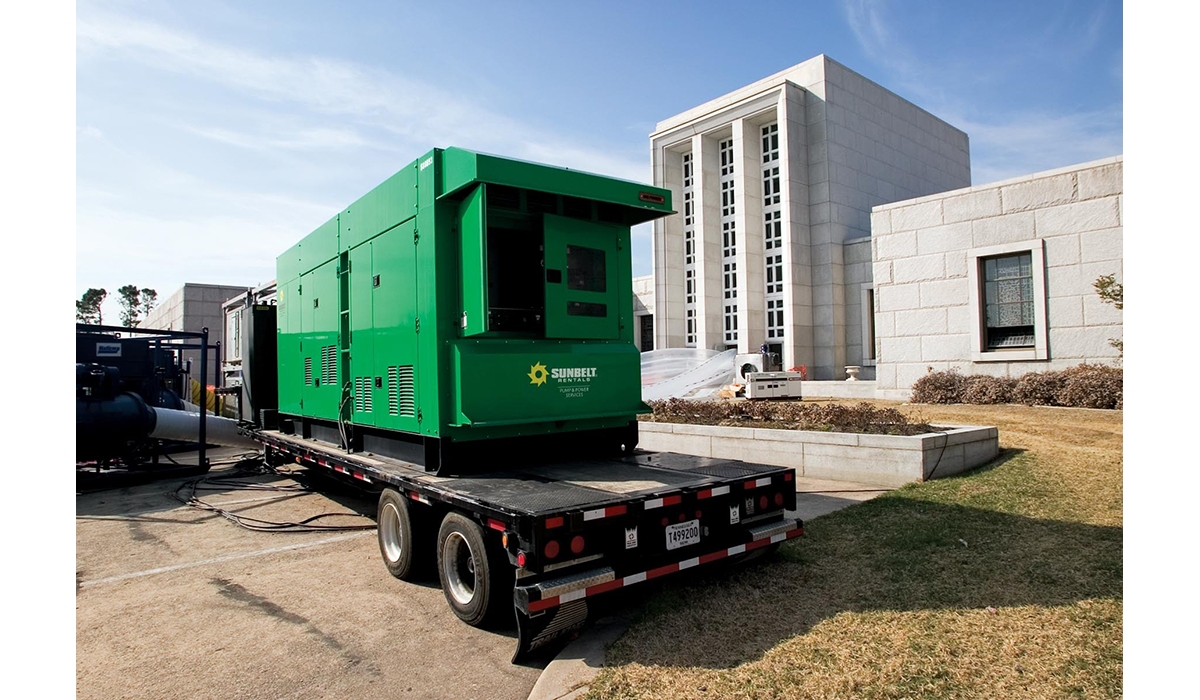
Site requirements dictate the physical setup of the test. You need to determine if you have space for a trailer-mounted unit or if you require a water-cooled unit for an indoor location where noise and heat must be minimized.
The Bottom Line: Test Smarter with Flexible Load Bank Rentals
What is the role of load banks in your maintenance strategy? They’re the tool that turns a crisis into a regular day. Whether you run a data center or a construction site, load bank testing ensures your lights stay on when the grid goes dark.


