
Use the Sunbelt Rentals App
Find, rent, and return equipment, right at your fingertips

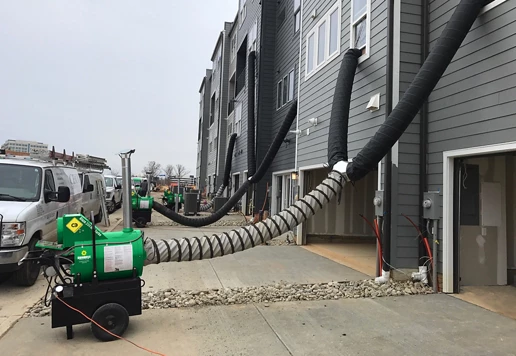
Types of Commercial Heaters for Rent
This guide provides the expert technical knowledge to help you select the right unit for your chosen application.
Heaters for Construction Sites
Heating needs on construction sites change as projects evolve. Direct-fired heaters are powerhouses for drying interior finishes or protecting concrete pours, providing high volumes of effective heat.
Indirect-fired heaters are the standard for enclosed interior spaces where workers are present, as they're engineered to deliver safe, clean, breathable, and 100% fume-free dry air.
Hydronic heaters—also called ground heaters—are in high demand for winter projects. They're critical for thawing frozen ground to keep excavation moving and for curing concrete slabs to specification, preventing costly weather delays.
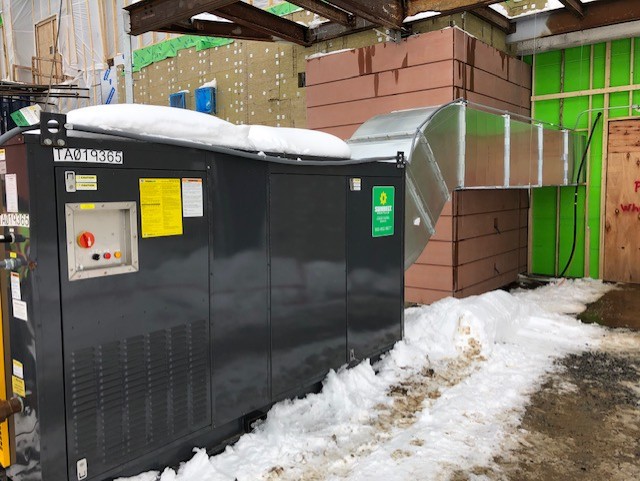
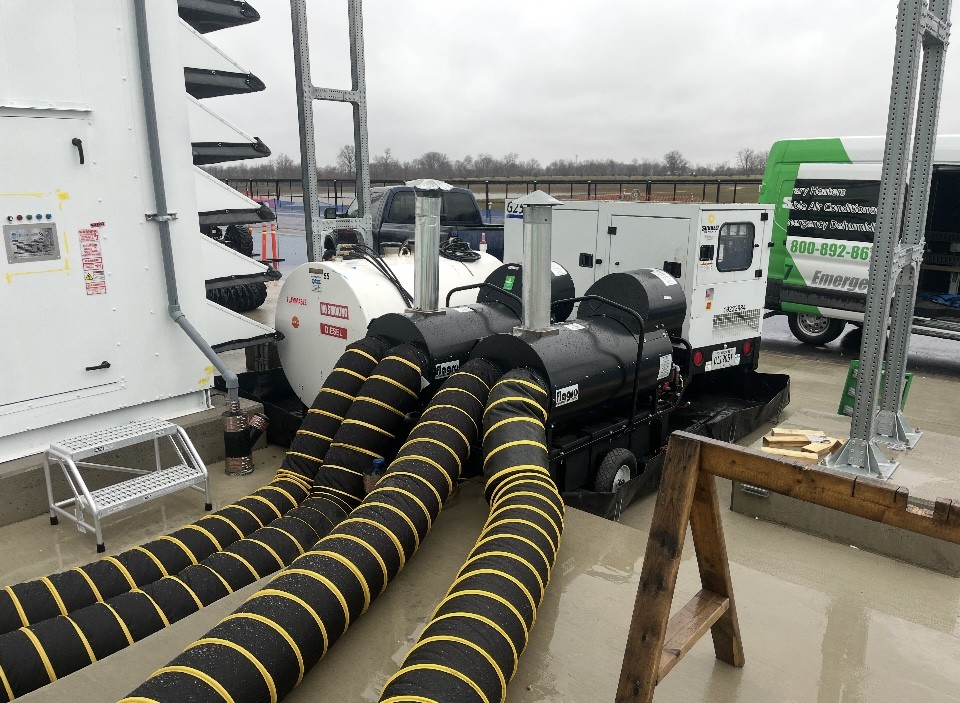
Heaters for Emergencies
Extreme winter weather often creates emergency heating needs. A permanent HVAC system may not be able to keep up, or it may fail completely. In these situations, temporary heaters are deployed to keep an occupied building warm and prevent catastrophic damage, such as pipes freezing and bursting. Electric heaters are a common first-response solution for these scenarios.
Supplemental Heating
Large commercial buildings and warehouses are notorious for cold spots, especially during sudden cold snaps. For areas far from the permanent system or for rooms without exterior windows, supplemental temporary heating provides a quick, efficient solution to keep the entire space comfortable and productive.
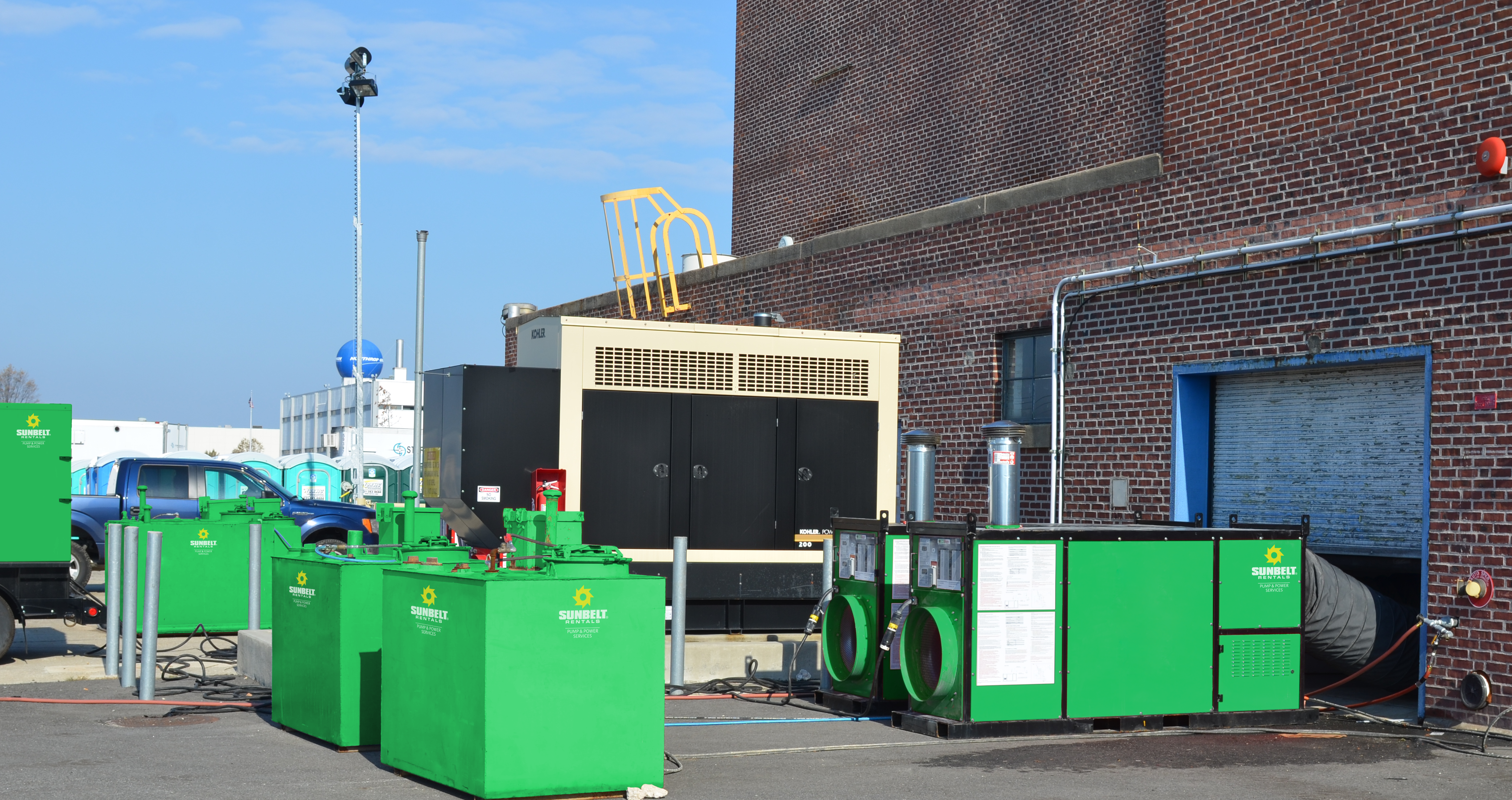
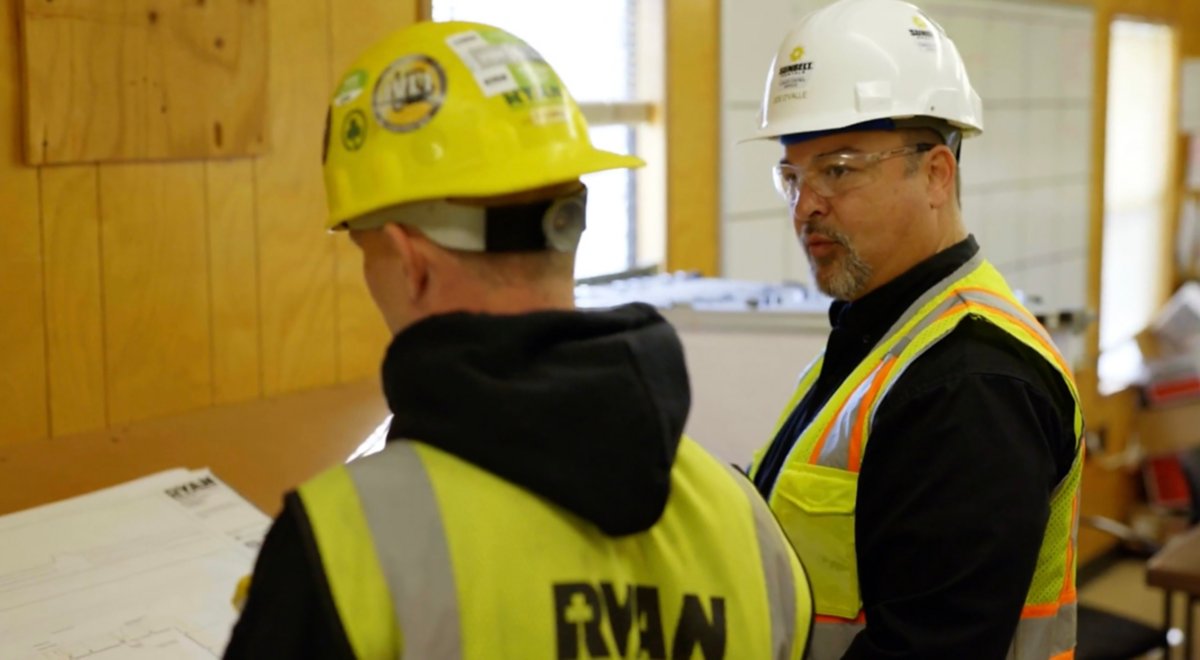
Propane heater units are a common choice for their powerful, clean-burning properties and portability. Propane is readily available, making it a versatile, all-around choice for sites seeking a commercial portable heater where natural gas isn't accessible.
Access to a natural gas line makes a natural gas heater the most cost-effective solution for long-term heating. It provides a continuous, reliable fuel source without refueling, ideal for extended projects or seasonal supplemental heat.
Diesel heater options are rugged, powerful, and self-contained. Diesel provides high-energy output, making it the fuel of choice for many high-BTU indirect-fired and flameless heaters on remote sites that lack other utilities.
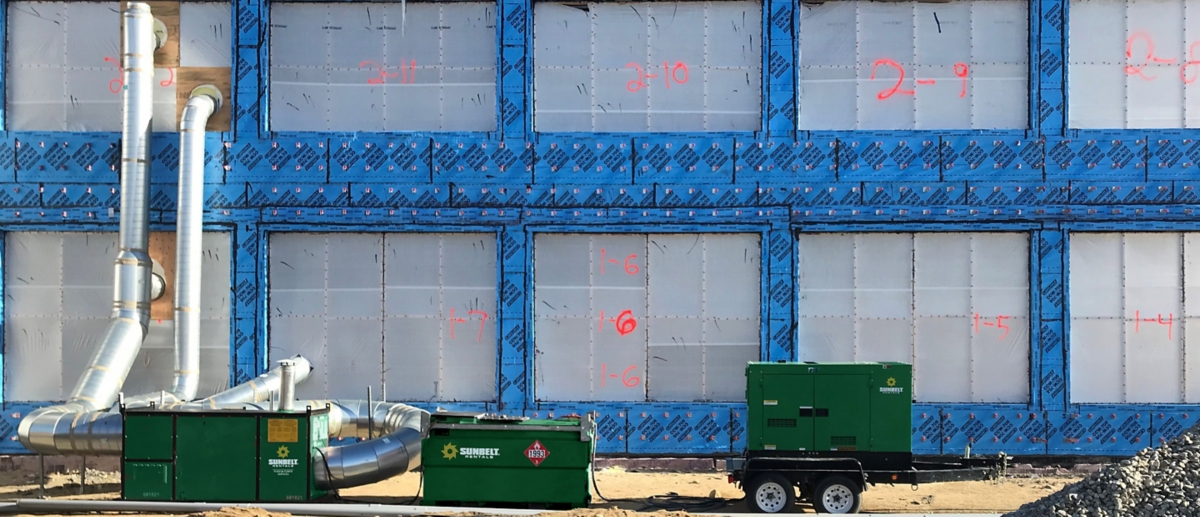
These heaters are highly efficient because the open flame directly heats the air circulated into the space. They are ideal for well-ventilated construction areas. Proper operation requires a deep understanding of air requirements. You must account for recirculating and makeup air—the fresh air brought in to replace oxygen—to ensure safe operation and prevent oxygen depletion.
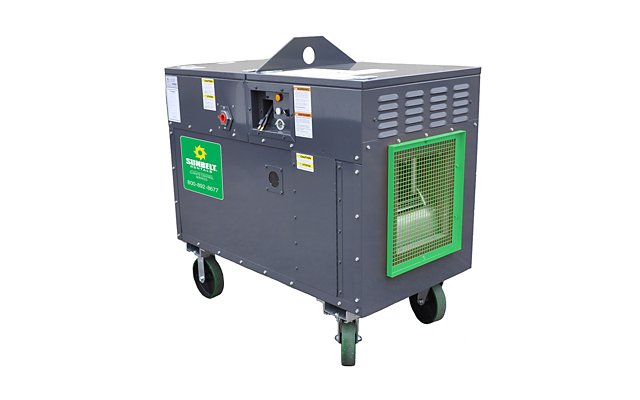
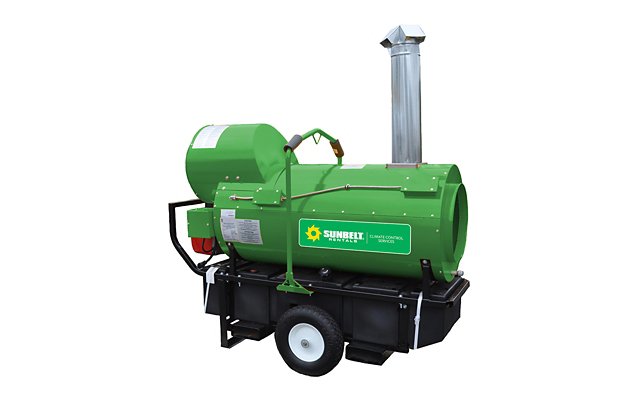
An indirect-fired heater is a great solution for heating occupied spaces or areas with limited ventilation. Its flame is contained in a combustion chamber, and a heat exchanger warms clean air, which is then ducted into the building. All combustion byproducts are exhausted outside, delivering 100% clean, breathable air.
Propane or Natural Gas
By tapping into a site's existing natural gas line or using large propane tanks, these heaters can run continuously for long-term projects without the need for constant refueling. This makes them an exceptional choice for extended supplemental heat in commercial buildings or for multi-week construction finishing work where you need reliable, breathable air.
Diesel Self-Contained
These are the go-to for remote sites, providing high-output, clean heat fueled by an onboard diesel tank. They’re ideal for new construction sites that don’t have established power or gas lines, or for temporary event structures located far from permanent facilities.
Flameless
Flameless heater models are the safest option for volatile environments like oil and gas sites, chemical plants, or anywhere an open flame is prohibited. They generate heat through a unique hydraulic pressure and friction system, which heats fluid that runs through a heat exchanger—entirely without any spark, coil, or flame.
The clean, breathable air they produce has zero ignition risk, making it the only choice for highly sensitive or hazardous locations.
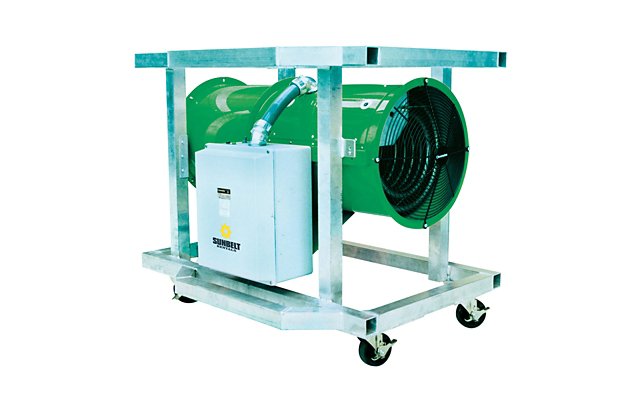
An electric heater is a simple, effective, quiet, and emission-free solution. Because they're quiet and produce no fumes, electric units are ideal for occupied spaces, offices, data centers, or sensitive environments where combustion isn't allowed. They are also excellent for targeted jobs, like preventing pipes from freezing.
Hydronic Heaters
Hydronic heaters, also known as ground heaters, are a winter construction essential. They work like a boiler on wheels, circulating a heated fluid (like non-hazardous glycol) through hoses laid across the ground or concrete forms. This allows you to thaw frozen soil or cure concrete evenly to meet specifications, regardless of the ambient temperature.
Steam Heaters
Steam heater units provide high-capacity, temporary heat by tapping into a facility's existing steam lines. Steam makes them a powerful option for industrial plants, refineries, and large facilities during outages, planned maintenance, or shutdowns.
Radiant Heaters
Radiant heater units don't heat the air; they heat objects and people directly, just like the sun. This makes radiant heat extremely effective for spot-heating workstations in large, drafty warehouses or for outdoor events. It provides instant, localized warmth without wasting energy trying to heat the entire volume of a space where air is constantly escaping.
Let Our Experts Design Your Heating Solution
Navigating the world of commercial heater rental is a technical challenge, but you don't have to do it alone. Now that you understand the variables, let our experts handle the final design.
From a single commercial portable heater for a cold office to a complex, multi-unit system for a massive construction site, Sunbelt Rentals has the equipment and expertise to make it happen.


