Use the Sunbelt Rentals App
Find, rent, and return equipment, right at your fingertips

Generator Load Bank Testing Essentials
When the lights go out, will your backup generator hold up under pressure? For facilities managers, maintenance teams, and emergency response coordinators, knowing how to load test a generator is critical to maintaining power when it matters most. Regular generator load testing verifies that your unit can handle real-world power demands and prevents surprises during a crisis.
In this article, we’ll walk you through load bank testing for generator systems — why it matters and how to perform a generator load bank test safely and effectively. Click any of the links below to learn more:
What is Generator Load Bank Testing?
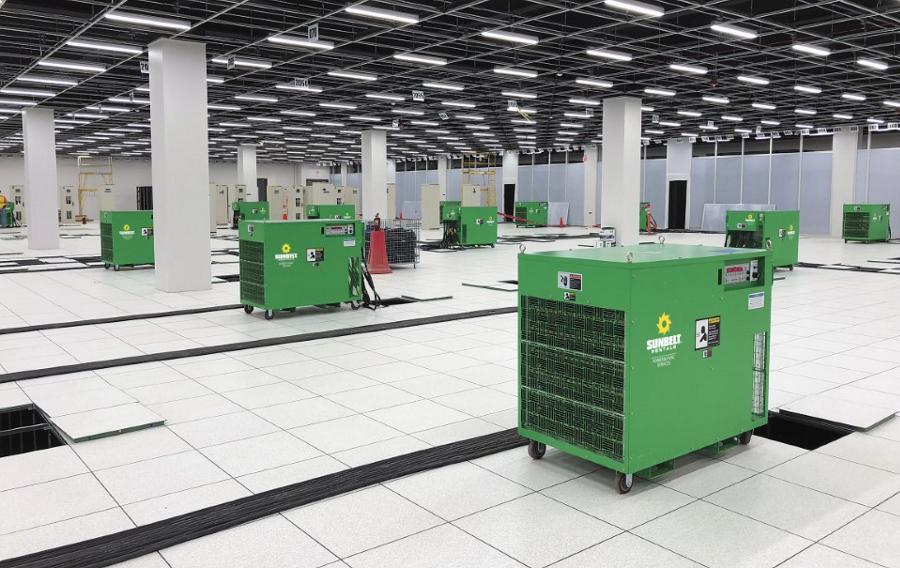
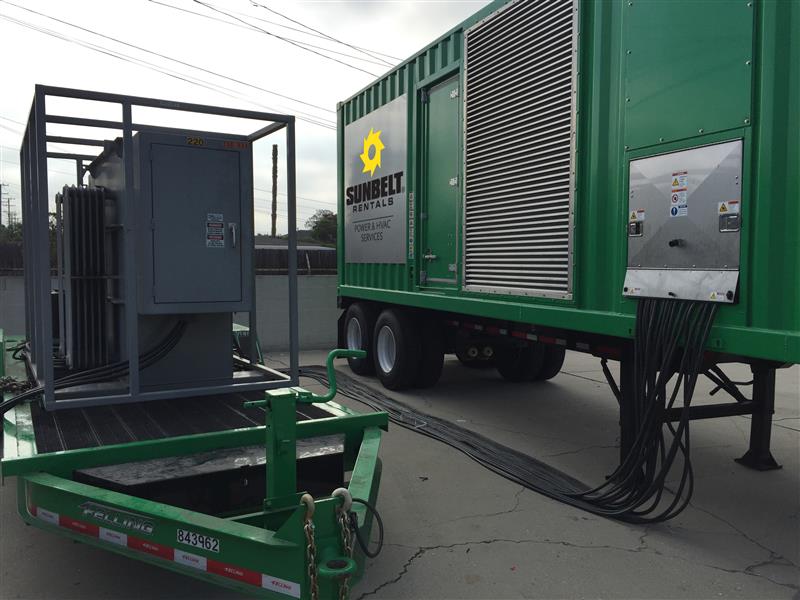
Load bank testing simulates the electrical load a generator would face during real-world operation. Instead of running idle, the generator is connected to a load bank that applies incremental resistance, typically up to its rated capacity. This process checks whether the generator can maintain voltage, frequency, amperage, and power output under stress.

simulate linear loads, such as heaters, lights, or toasters, testing the engine and alternator’s capacity at a unity power factor.
replicate inductive loads such as motors, compressors, or transformers, simulating more complex facility conditions at 0.8 power factor.
Many industrial generator testing procedures use resistive/reactive combination units to simulate total building load, mirroring what your generator would face in an actual outage.
Why Do Generators Need to Be Load Tested?
Backup generators are like insurance: you might not think about them daily, but when you need them, they can’t fail. Without regular load testing, even well-maintained generators can suffer from wet stacking — a buildup of unburnt fuel, soot, and carbon caused by running under low load. This reduces efficiency and can lead to sudden breakdowns.
Load testing brings the system up to full temperature and load, helping burn off deposits and maintain engine health. For mission-critical operations — like hospitals, telecoms, emergency centers, or laboratories — reliability isn’t optional. Compliance also comes into play:
- Healthcare facilities must meet NFPA 110 and Joint Commission standards, including monthly tests under load and extended testing every 36 months.
- Data centers, broadcast stations, and industrial sites often perform quarterly or annual tests as part of scheduled preventive maintenance.
Even if not legally required, annual generator load bank testing is a solid best practice for generators.
Monthly 30-minute load tests at 30% capacity, plus 4-hour full-load testing every 36 months.
Annual full-load test to avoid wet stacking, performance lag, and surprise failures.
Quarterly or biannual testing ensures uninterrupted service for critical infrastructure, including telecom, data centers, and municipal buildings.
Many policies require documented annual load testing to maintain business continuity coverage.
Steps to Load Test Generators
Here's how professional load testing ensures your generator performs when it matters most. Each step builds confidence in your backup power system's reliability.
Review the Testing Program
Begin by defining clear goals and establishing safety protocols. Check oil, fuel, and coolant levels. Inspect batteries, belts, hoses, and wiring. Confirm that fuel reserves can support extended testing. If you’re using rented equipment, verify that the load bank’s capacity and voltage rating match the generator’s specifications.

Observe Generator Performance
Start the generator and allow it to warm up at no load. Monitor oil pressure, coolant temperature, voltage output, and frequency stability. Resolve any irregularities — like abnormal noise, vibration, or warning lights — before applying load.

Check All System Components
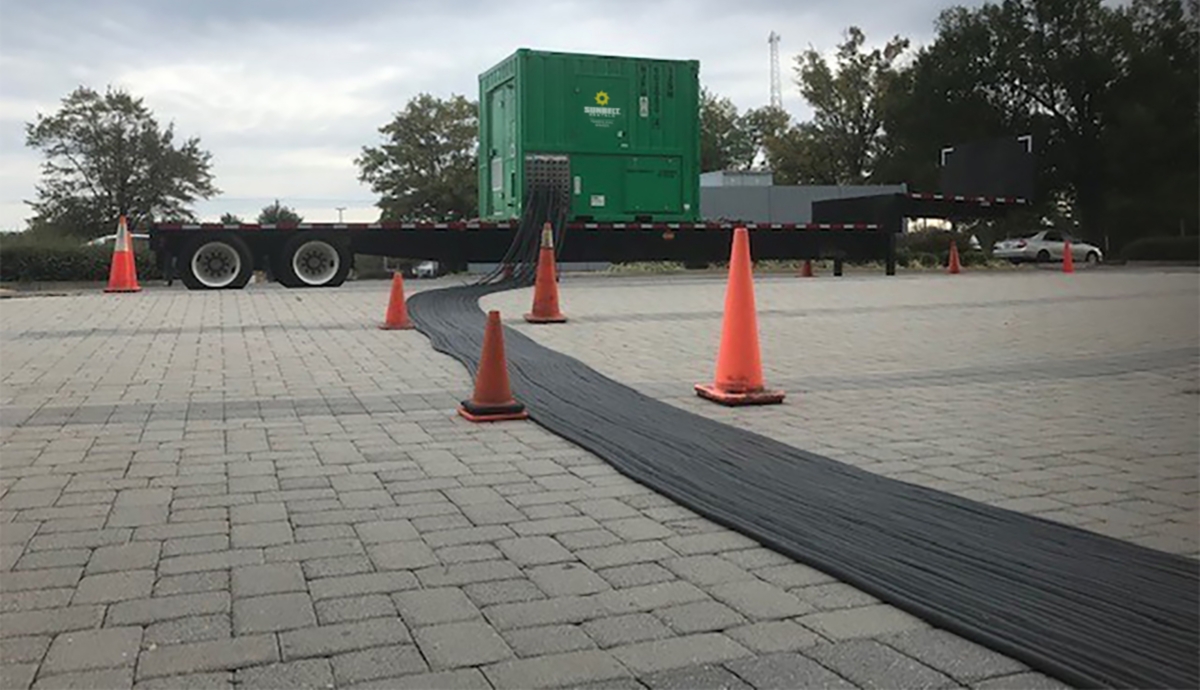
With the generator running smoothly, connect the load bank according to the manufacturer's instructions. Use heavy-duty cables and ensure all connections are tight and secure. Begin applying load in stages — typically 25%, 50%, 75%, then 100%. Pause at each step to verify frequency and voltage stability. Watch for smoke, overheating, unusual sounds, or alarms. Run the generator at full load for 1–2 hours, depending on system size, age, and compliance requirements. For healthcare or mission-critical systems, longer durations or custom schedules may apply.

Review Results
As the test progresses, record voltage, temperature, fuel consumption, and load readings at regular intervals. Once complete, reduce the load gradually and allow the generator to run at no load for several minutes to cool down. Shut down the system according to the manufacturer's procedures, then return any transfer switches to standby mode.

Document the Test
Once the system is shut down, document the test. Documentation should include the date/time, load levels reached, system readings (Hz, volts, temps, amps), and any anomalies. End your documentation with any follow-up actions. Proper documentation ensures compliance and tracks system performance over time.

What to Do If the Load Bank Test Fails
If the generator can’t maintain a stable output or exhibits smoke, overheating, fluctuating voltage, or alarm triggers, stop the test immediately and assess the cause. Common issues include:
- Fuel contamination or line blockage
- Clogged filters, restricted airflow, or poor ventilation
- Undersized, aging, or overloaded components
- Persistent wet stacking due to underuse
After resolving the issue, schedule a retest. In complex cases, working with a provider like Sunbelt Rentals can simplify the diagnosis and help you get back on track quickly.
Load Testing Equipment List
How Sunbelt Rentals Can Help with Load Testing
Reliable load testing starts with the right tools, team, and timing. Sunbelt Rentals offers a full range of resistive, reactive, and combination load banks, ready for same-day delivery or scheduled rental. Whether you're testing a compact standby unit or a multi-megawatt system, we’ve got the gear to match.
Need on-site assistance? Our Power & HVAC experts provide 24/7 support, including setup, monitoring, emergency troubleshooting, and teardown — so you can test with confidence and focus on operations.
Schedule a load test today, and know your power will be there when it matters most.