
Use the Sunbelt Rentals App
Find, rent, and return equipment, right at your fingertips

Air Scrubbers
In this article, we look at what air scrubbers are, what air scrubbers do, air scrubber benefits, and why renting them through Sunbelt Rentals helps keep your project moving smoothly and safely.
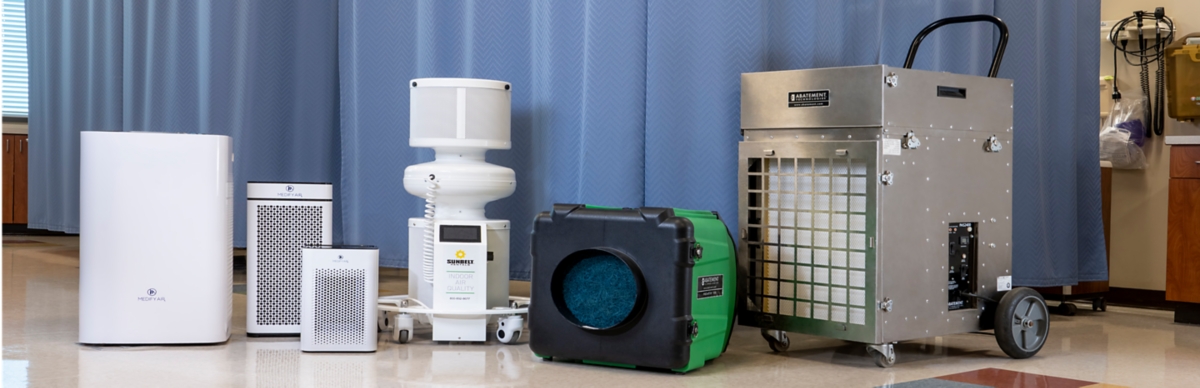
An air scrubber machine draws air through a series of filters, capturing pollutants and releasing clean air back into the environment. When connected to ductwork or paired with negative pressure systems, they can isolate specific areas — for example, a hospital wing undergoing renovation or a section of a building being remediated after a flood.
The value lies in their versatility. Contractors rely on air scrubbing systems during construction or demolition, restoration specialists use them for water and fire damage recovery, and facility teams depend on them to maintain safe working conditions in enclosed or high-traffic spaces.
How Do Air Scrubbers Work?
The process begins when contaminated air enters the unit. Inside, filters remove progressively smaller particles until only clean air remains. A HEPA air scrubber uses a high-efficiency particulate air filter to trap up to 99.97% of particles as small as 0.3 microns — capturing dust, pollen, bacteria, and even smoke residue. Some systems add activated carbon layers to absorb odors or volatile organic compounds, keeping indoor air fresher and safer.
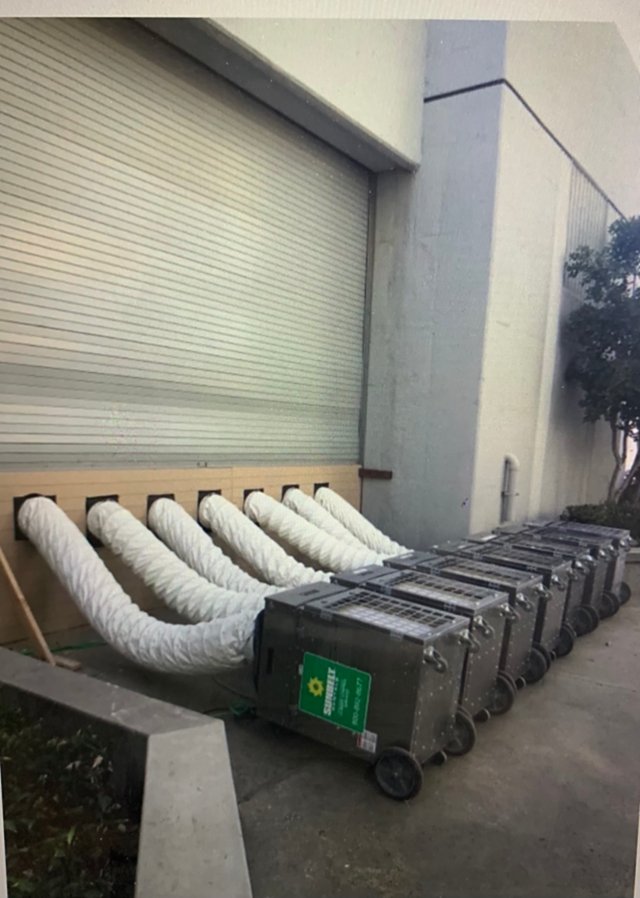
Different machines support different goals. Negative air machines use ducting to pull air out of a space, creating a contained zone where contaminants can’t escape. This is vital for healthcare facilities or restoration sites that must prevent cross-contamination.
Hydroxyl generators and ozone machines complement these systems by neutralizing odors and microorganisms at a molecular level. Hydroxyl units are safe to run in occupied spaces, while ozone units are best for unoccupied deep-cleaning applications. Together, they form a flexible, scalable solution for complex indoor environments.

Protecting worker health and productivity
A HEPA air scrubber removes fine dust, mold spores, bacteria, and lingering smoke particles that can irritate lungs or trigger allergic reactions. Cleaner air reduces fatigue and supports focus, especially during long shifts in enclosed or high-traffic spaces.

Maintaining professional standards and compliance
Many industries, such as restoration and manufacturing, must meet strict air quality benchmarks. Using air scrubbers helps teams meet those standards while keeping the work environment clean and safe.

Supporting faster turnaround and fewer delays
Cleaner air minimizes rework, improves visibility, and prevents debris from settling on newly finished surfaces. Projects move forward without the extra cleanup that dust-heavy environments often require.

Improving indoor air quality and comfort
Facilities that manage sensitive materials or host regular foot traffic benefit from continuous filtration. Air scrubbers reduce odors, capture airborne irritants, and help improve indoor air quality across every phase of a project.
What Are Air Scrubbers Used For?
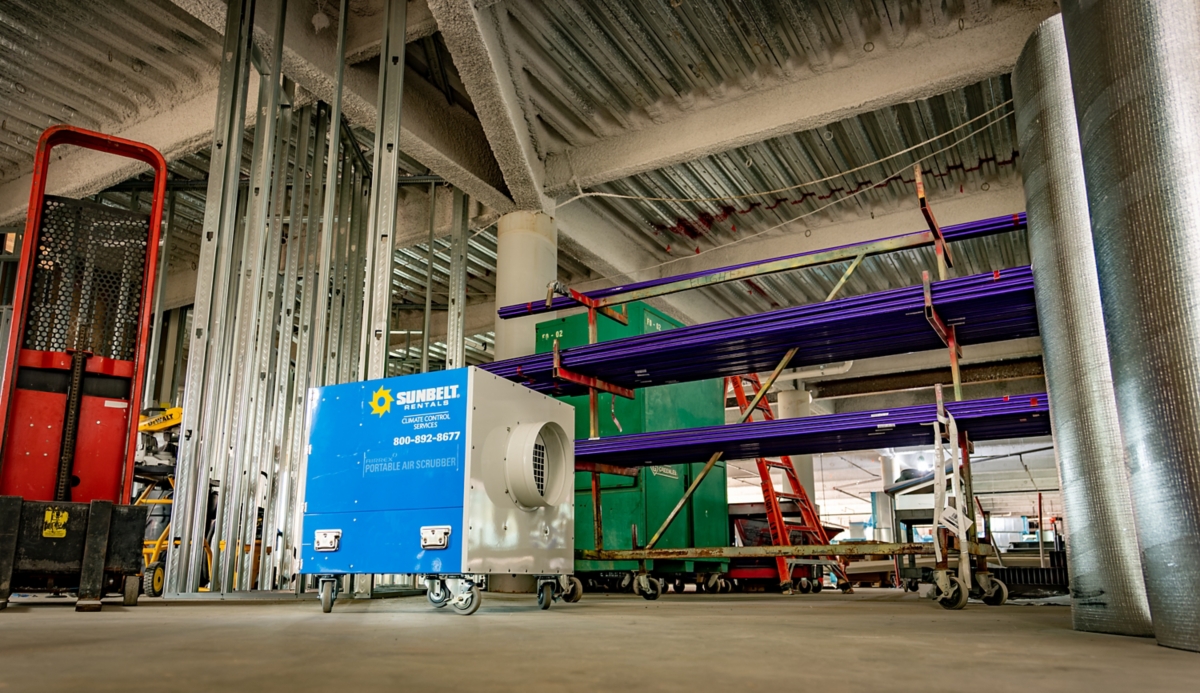
Air scrubbers are essential whenever a project generates fine dust, fumes, or contaminants that could travel through ventilation systems. That includes construction work, surface prep, renovation, and large-scale cleanups after water or fire damage.
During hospital maintenance or expansion, HEPA air scrubbers and negative air machines work together to protect occupied areas. Contractors isolate rooms or corridors under renovation, maintaining sterile conditions for patients and staff nearby.
In disaster response, scrubbers are often deployed alongside hydroxyl or ozone machines to handle strong odors and airborne pollutants. Hydroxyl generators work continuously in occupied spaces such as offices, while ozone systems neutralize stubborn odors in unoccupied environments after floods or fires.
These combinations are also common when preparing for emergencies, since they allow fast mobilization and effective containment no matter the situation.
Air Scrubber Use Cases
Hospitals
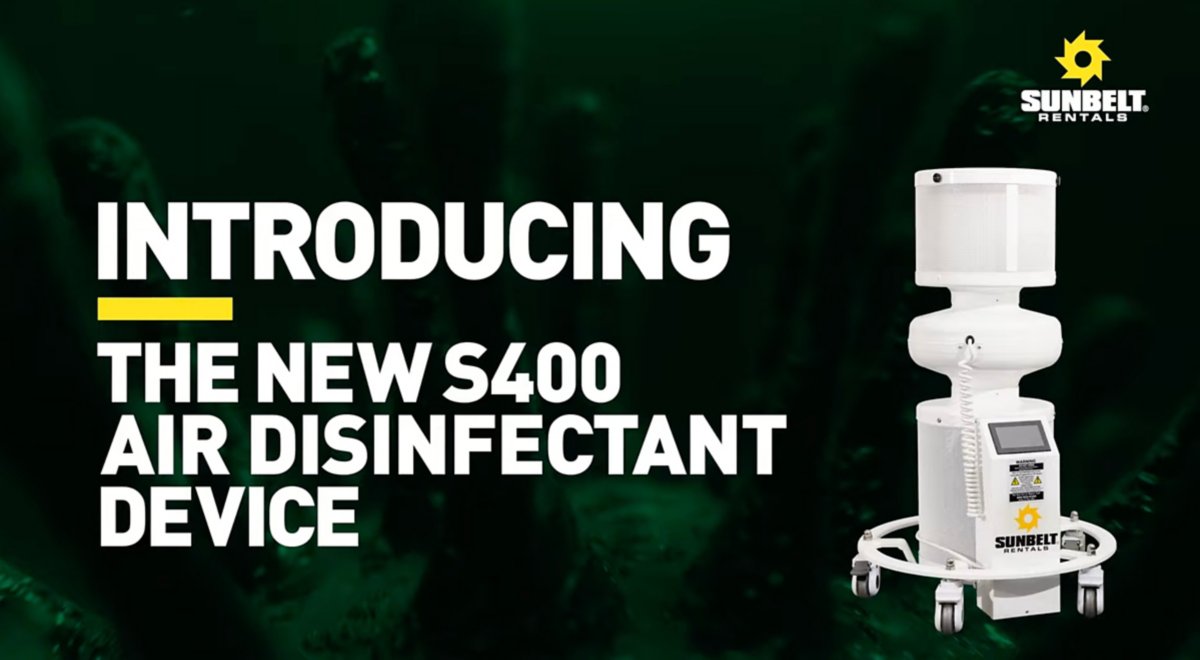
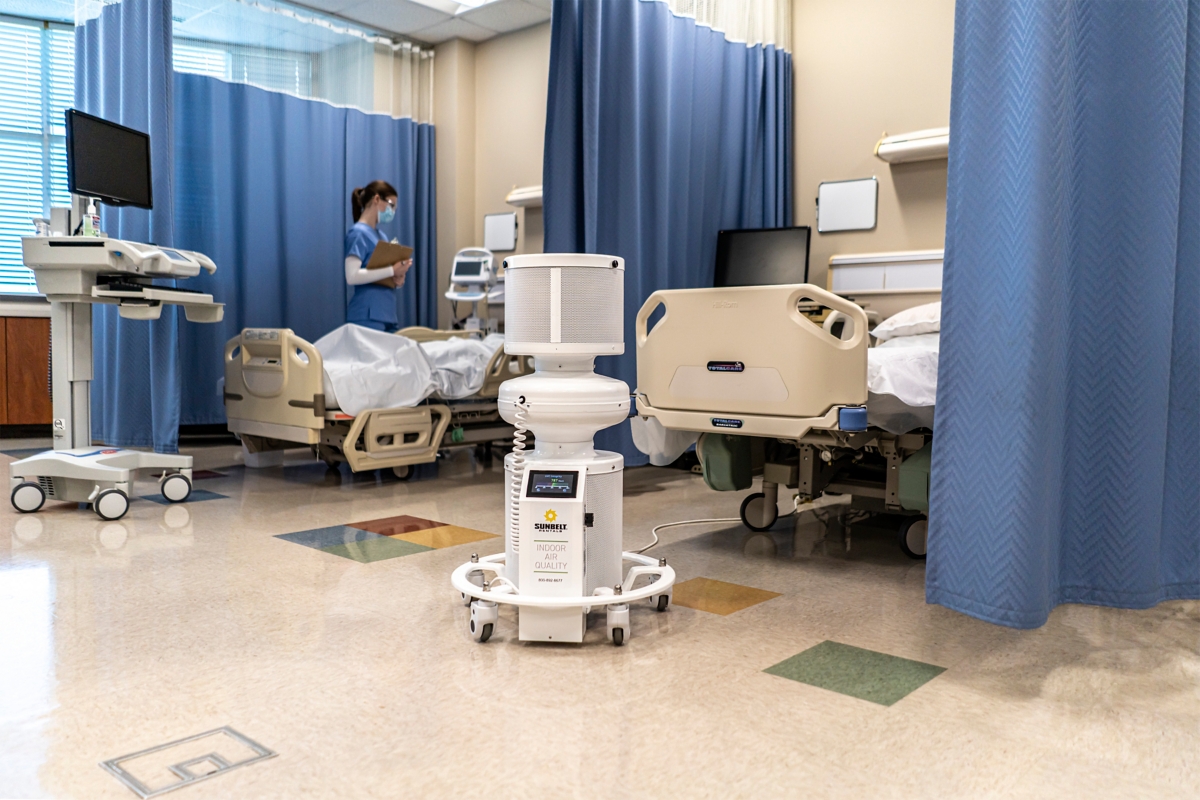
Hospitals depend on precise air quality control to protect patients and staff. Medical-grade HEPA air scrubbers, such as the SAM-400, are designed to remove pathogens, fine dust, and odors with up to 99.9995% efficiency. Units like these combine filtration with UV-C light to destroy airborne microorganisms.
Learn more about equipment for innovative and sustainable healthcare facilities and explore our healthcare industry solutions for improved indoor air quality.
Restoration and Remediation
Restoration professionals often work in unstable environments after water, fire, or mold damage. Using Sunbelt’s restoration and remediation solutions helps stabilize conditions quickly, preventing secondary damage and improving worker safety. Clean air supports faster recovery timelines and helps maintain compliance with safety standards.
Disaster Response
Large-scale disasters create widespread air contamination — soot, ash, or chemical residue can linger for weeks. Deploying air scrubbing systems alongside negative air and hydroxyl technologies helps restore safe indoor conditions faster.
Learn more about preparing for emergencies and discover how air management equipment supports first-response teams on the ground.
Film and TV Sets
Production environments face their own challenges. Our film and TV industry solutions help manage dust from set construction and neutralize odors caused by fog or paint effects. Renting units through Sunbelt supports smooth, compliant productions and protects delicate equipment.
Food and Beverage Processing
Air purity directly impacts product quality. A HEPA air scrubber can remove airborne grease, dust, and odor particles that compromise sanitation. During maintenance or renovation, these systems help facilities meet safety standards and keep production on schedule.
Air Scrubber Safety Tips
Safe operations start with regular inspections. Filters should be checked before each use and replaced as recommended by the manufacturer. Airflow indicators or pressure gauges on the unit can help track performance.
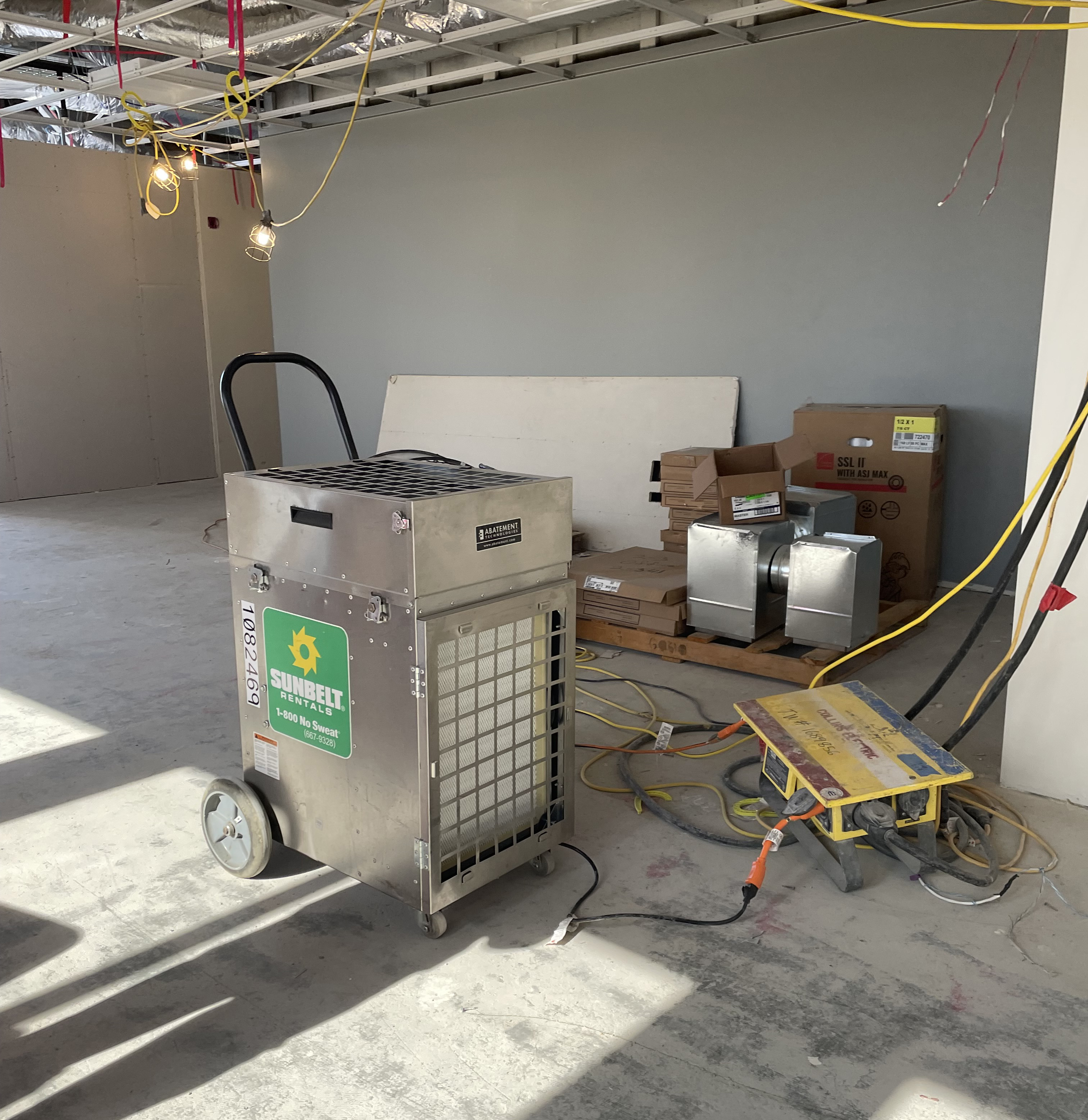
Position air scrubber machines on stable surfaces with adequate clearance for air intake and exhaust. In enclosed areas, verify that electrical loads are supported and cords are properly secured to avoid tripping hazards. When using ozone or hydroxyl systems, maintain good ventilation and operate under the correct conditions for the application.
Routine checks and proper setup keep every machine operating efficiently, extending filter life and maintaining consistent air quality across the site.
Choosing an Air Scrubber That Fits Your Needs
Not every project calls for the same approach. A small renovation might need a compact air scrubber for HVAC integration, while a manufacturing plant or disaster recovery site could require multiple high-capacity units. The goal is always to match the airflow and filtration level to the size and sensitivity of the environment.
Sunbelt Rentals specialists can help determine which air scrubbing systems or negative air machines fit your operational needs. By assessing square footage, filter type, and desired containment, our team helps you deploy the right system for efficient, compliant air management.
Rent an Air Scrubber From Sunbelt Rentals Today
Renting gives you flexibility without a long-term investment. With Sunbelt Rentals, you gain access to a national fleet of air scrubber rentals that includes HEPA, negative air, hydroxyl, and ozone units ready for immediate deployment.
Our experts guide you through sizing, setup, and maintenance, helping you meet air quality standards without slowing your schedule. Renting also means you can scale capacity up or down as conditions change — no storage, no downtime, and no upfront costs.
When clean air is the difference between compliance and delay, renting air scrubbers from Sunbelt Rentals keeps your operation safe and fully prepped for whatever comes next.


