
Use the Sunbelt Rentals App
Find, rent, and return equipment, right at your fingertips

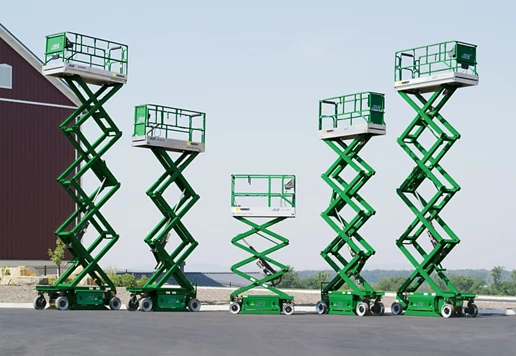
Scissor Lift Types
Choosing the right lift starts with matching the machine's capabilities to your specific terrain and power availability. A lift designed for a finished concrete slab will fail on a muddy construction site, causing delays, safety hazards, and potential equipment damage.
Knowing about the mechanical differences between lift types ensures your team has the traction, power, stability, and reach required to execute the work.
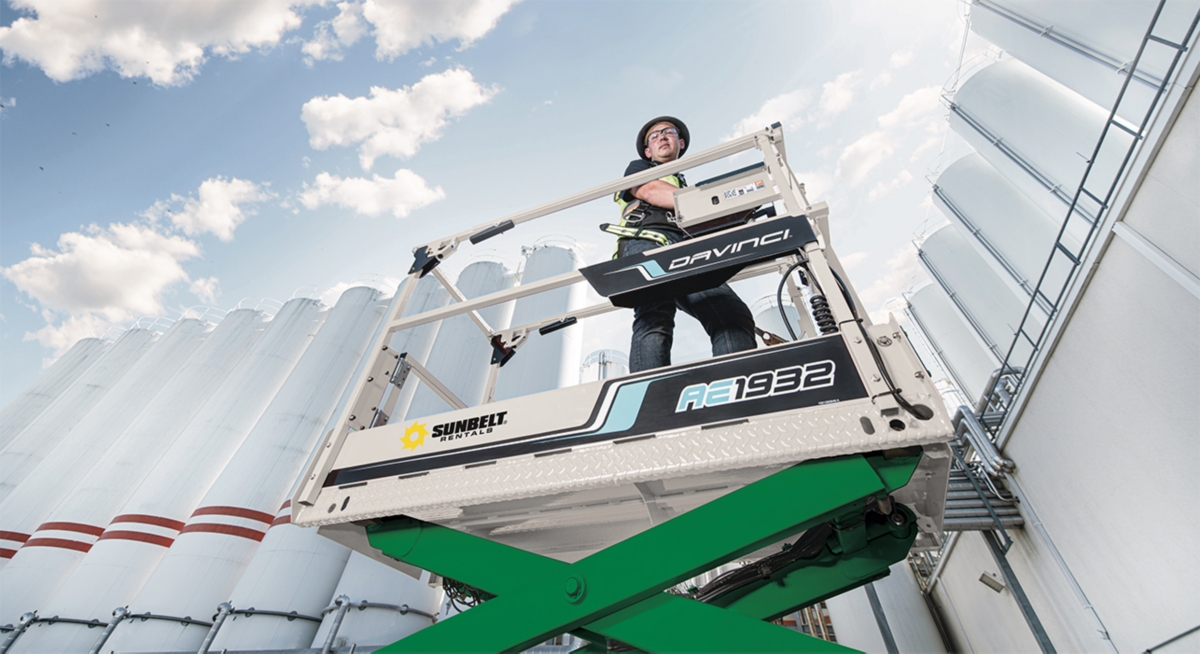
Electric Scissor Lifts
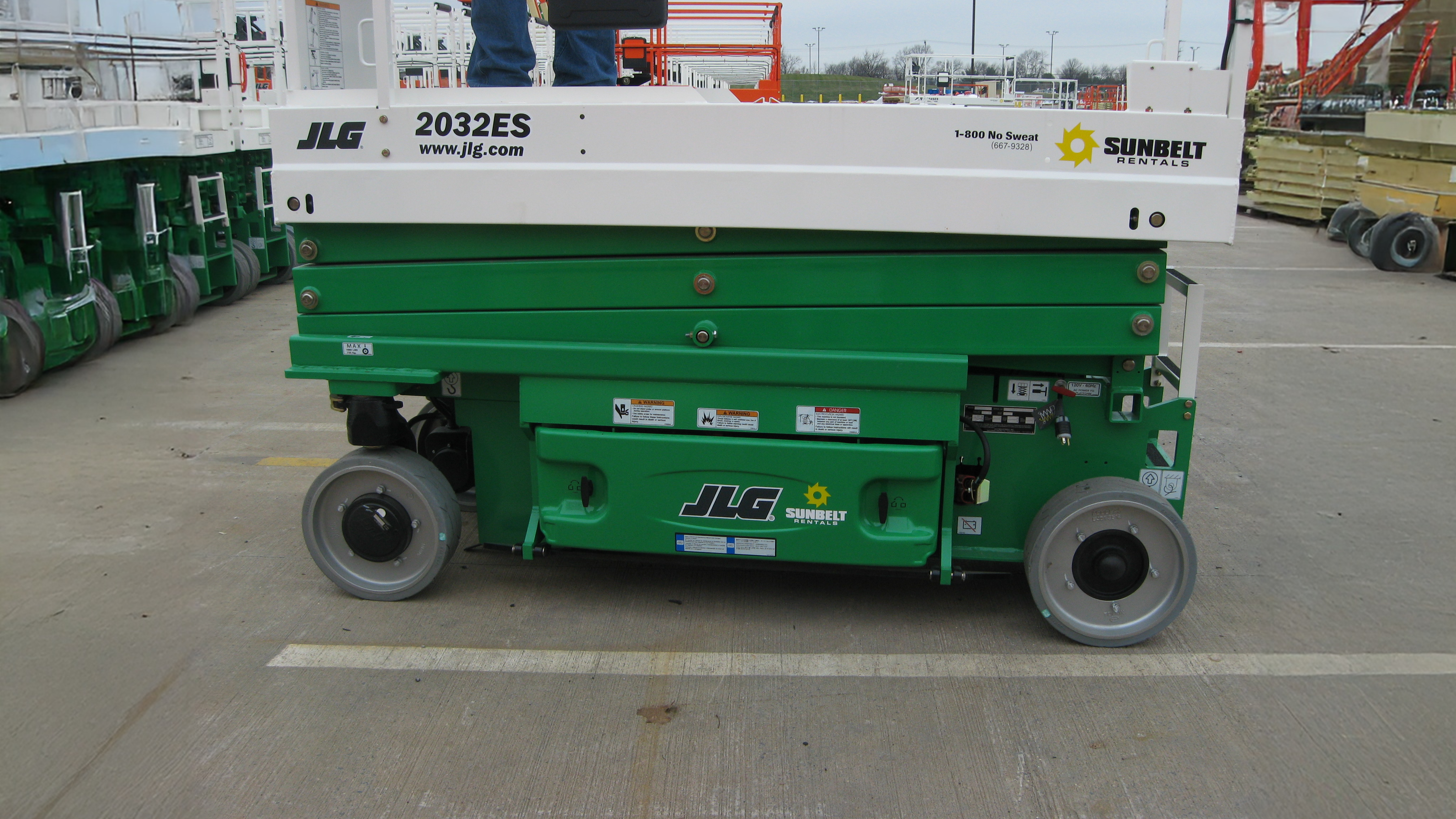
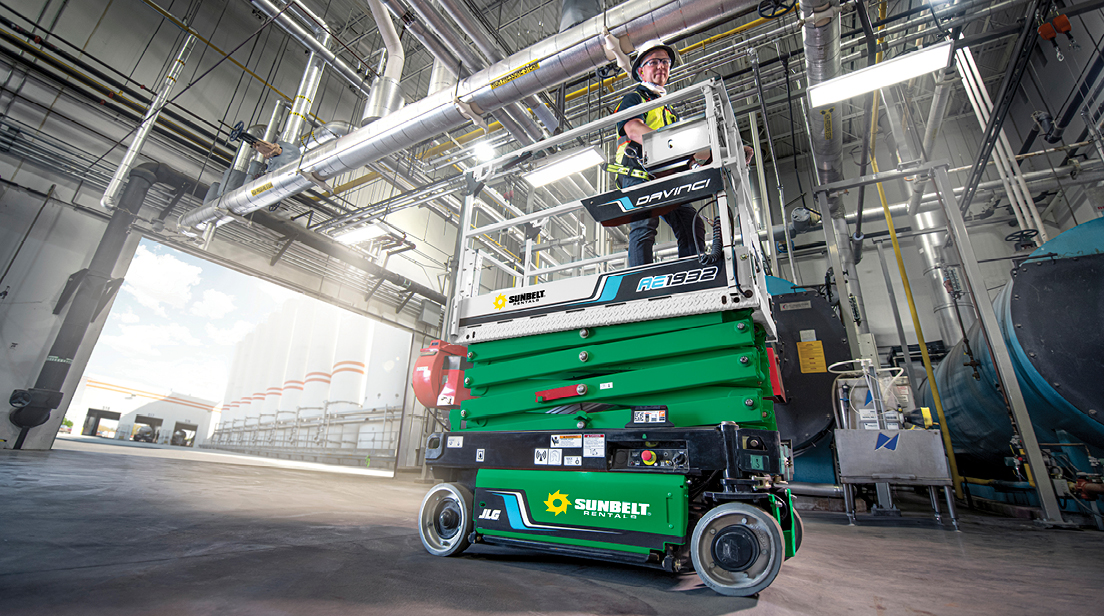
Electric scissor lifts are built for indoor maintenance and installation tasks where noise and fumes are a concern. These units operate with zero emissions and low noise levels, making them compliant for occupied buildings like schools, hospitals, offices, and retail centers.
Most models feature non-marking tires to prevent damage to finished flooring. Their compact chassis design allows for navigation through standard doorways, elevators, and tight aisles.
Rough Terrain Scissor Lifts
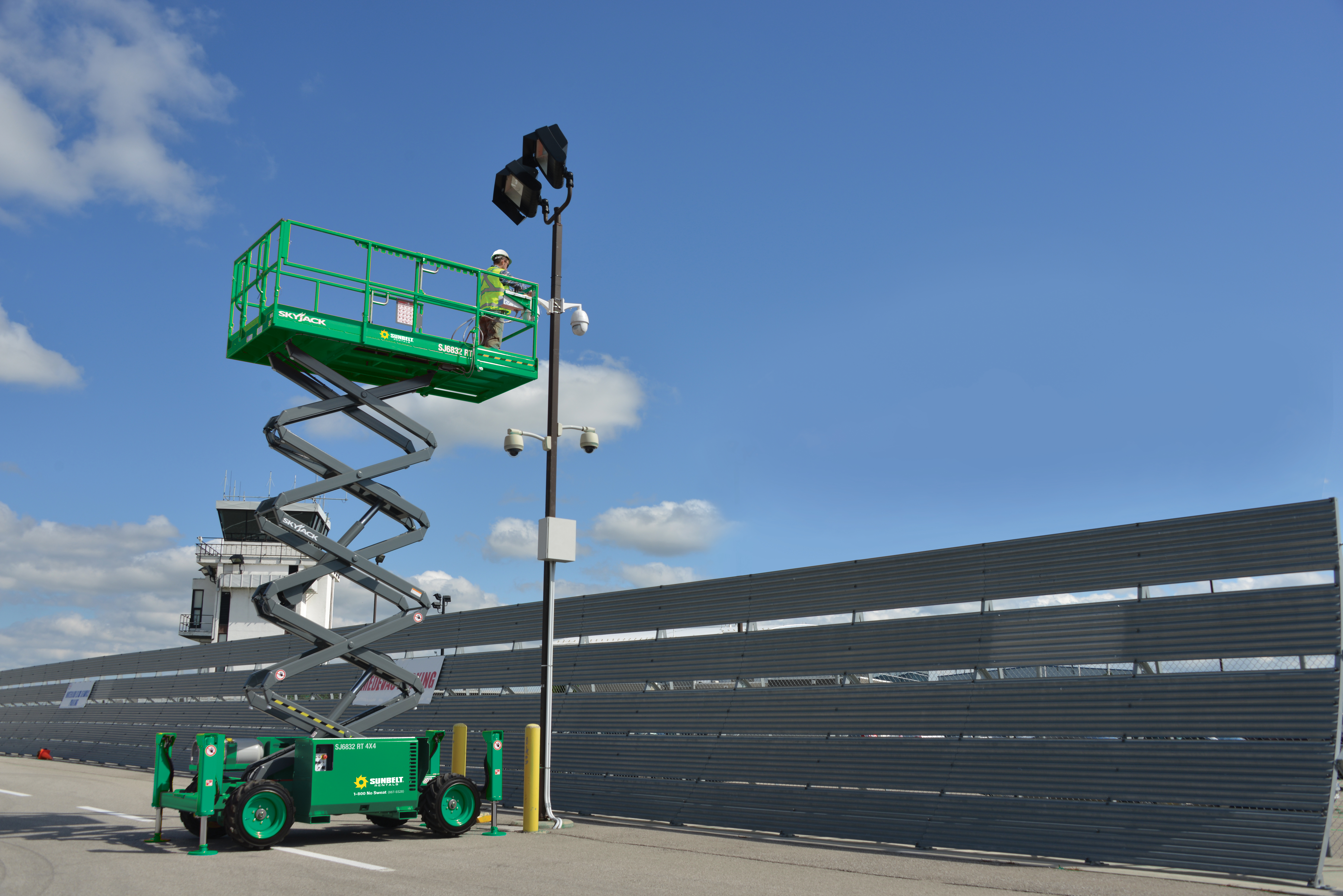
Rough terrain scissor lifts provide the traction and stability you need to work safely on uneven outdoor ground. They’re engineered with four-wheel drive and heavy-duty, lugged tires to traverse uneven ground, loose gravel, mud, and debris.
These machines offer higher weight capacities and larger platform workspaces than their electric counterparts. Stabilizers or outriggers level the machine on sloped surfaces, providing a safe working platform even when the ground below is less than perfect.
Hydraulic and Pneumatic Scissor Lifts
Hazardous environments like chemical plants often require specialized pneumatic or hydraulic lifts to eliminate spark risks. Pneumatic scissor lifts use air pressure for elevation, eliminating the risk of sparks in volatile atmospheres such as chemical plants, paint shops, or refineries.
Hydraulic lifts utilize fluid mechanics for heavy lifting, often found in custom industrial applications where immense power is required in a stationary position.
Diesel-Powered Scissor Lifts
Diesel-powered lifts offer the raw power and endurance required for heavy-duty outdoor construction where charging isn't an option. These units can operate for long shifts without downtime for recharging, making them the preferred choice for structural steel erection, exterior cladding work, and heavy masonry where consistent power is critical.
Scissor Lift Sizes and Height Ranges
Selecting the correct lift size ensures your crew can reach the work area safely without overpaying for unnecessary height. Renting a unit that falls inches short of the target area forces dangerous behaviors, while over-sizing can result in a machine that is too heavy for the floor or too large for the access route.
Platform Height vs Working Height
Platform height measures the vertical distance from the ground to the lift floor. Working height adds six feet to this figure, accounting for an operator standing on the platform with arms raised.
A job requiring a 25-foot reach requires a lift with a 19-foot platform height. Always verify the scissor lift height specifications against the actual installation point to ensure adequate reach.
Common Height Categories (10–60 ft)
Low-level access lifts (10-14 feet) replace ladders for safer facility maintenance. Standard 19-foot and 26-foot models handle the majority of commercial interior work, including electrical, drywall, HVAC, and painting.
High-reach models, extending up to 60 feet, bridge the gap between scissors and boom lifts. These larger units provide the verticality needed for tall distribution centers and exterior building maintenance while maintaining a large platform area for materials.
Size Selection by Application
A technician servicing a single light fixture needs a compact, lightweight unit for speed and mobility. On the other hand, a glazing crew installing heavy curtain wall panels requires a high-capacity, large-deck machine.
Aligning the scissor lift types with the scope of work maximizes productivity and ensures the equipment pays for itself in labor savings.
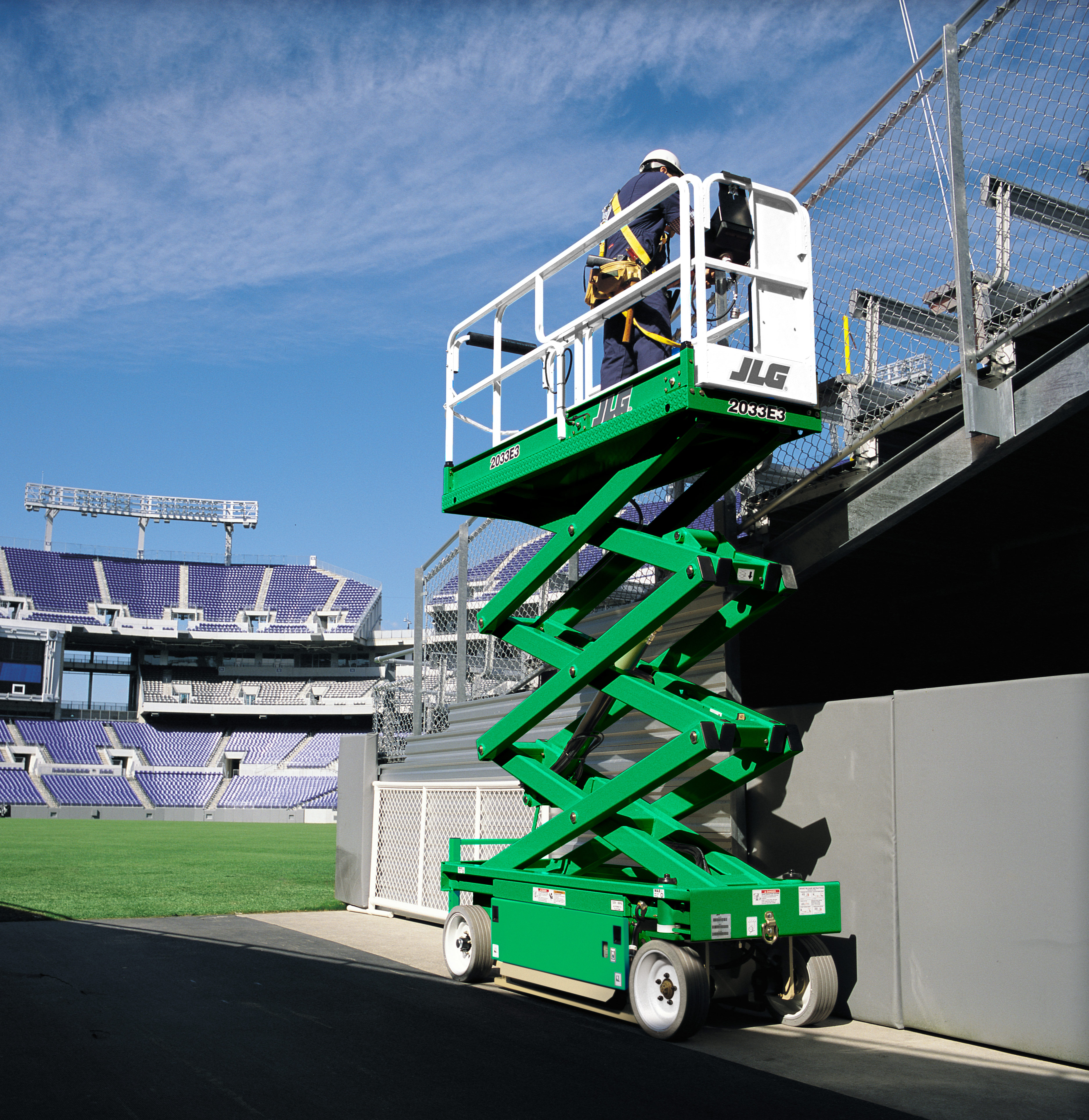
Weight Capacity and Load Considerations
Scissor lift weight capacity is a hard limit that includes the operator, tools, materials, and debris on the platform. Ignoring this limit triggers safety cutouts that disable the lift, halting work immediately.
Standard Weight Capacities
Compact electric lifts often carry between 500 and 800 lbs. Large rough terrain diesel models can lift upwards of 2,500 lbs. Understanding these limits is vital when planning material movements.
A pallet of block or a stack of steel pipe can easily exceed the rating of a standard lift, requiring a heavy-duty model or alternative material handling solutions.
Matching Lift Capacity to Job Requirements
You must verify that the lift's capacity rating can handle the combined weight of your team and their materials. HVAC ducting, while bulky, is relatively light, whereas plumbing pipe is dense and heavy.
Renting a machine with a higher weight rating provides a safety margin and prevents interruptions. Efficient project planning accounts for the heaviest single load to be lifted, ensuring the equipment can perform without nearing its failure point.
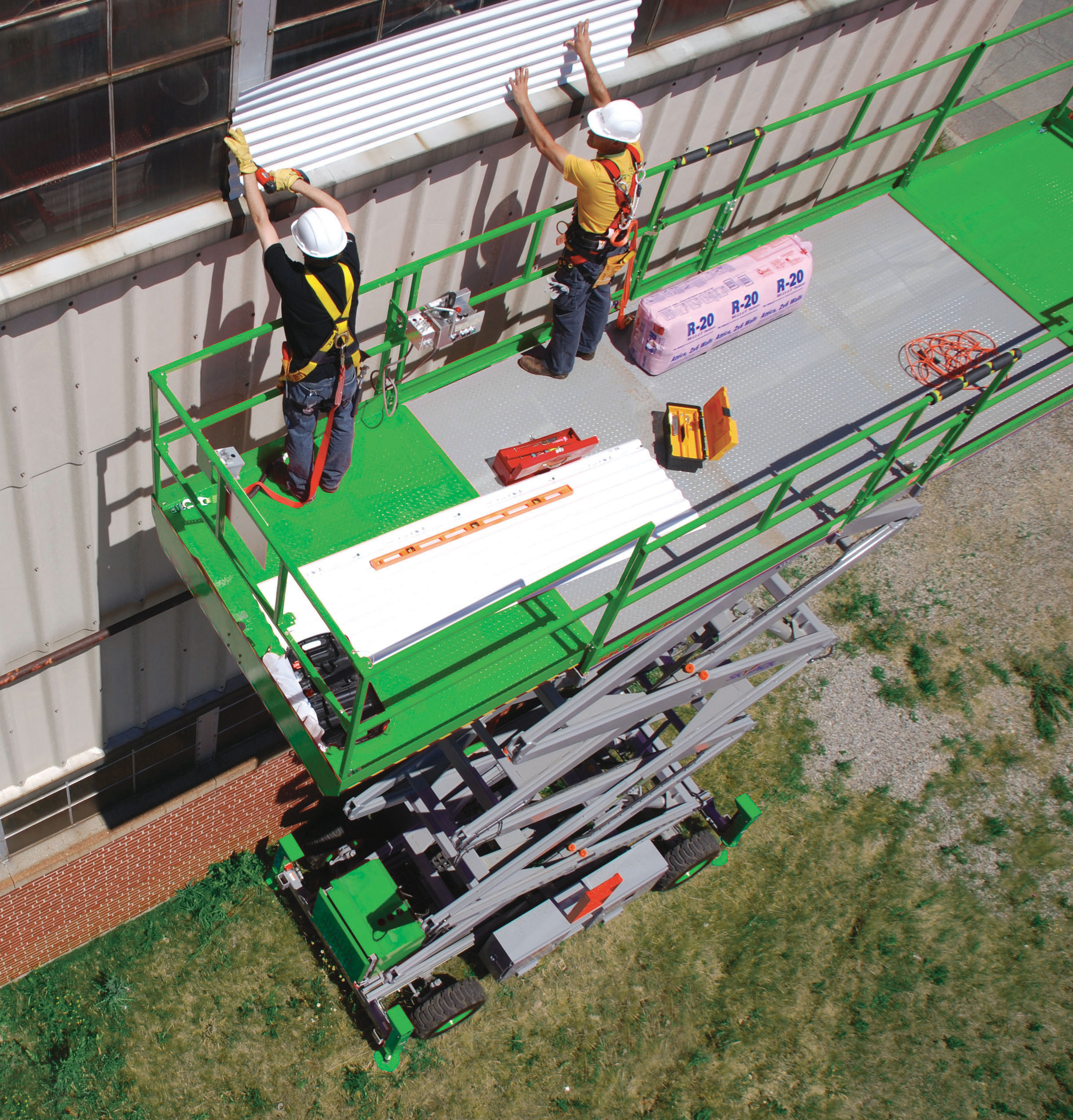
Multi-Person vs Single-User Lifts
Larger scissor lift dimensions accommodate two or more workers, allowing for simultaneous tasks like holding, fastening, and welding. However, each additional person reduces the available capacity for materials.
The data plate on every machine specifies the maximum number of occupants and the total allowable weight. Adhering to these numbers is mandatory for safe operation.

Jobsite Considerations When Choosing a Scissor Lift
Physical constraints often rule out certain machines regardless of their performance specs. A thorough site assessment identifies potential bottlenecks before delivery.
Platform Size and Width
The platform's dimensions dictate how much material you can bring up and whether the lift will fit through your facility's choke points. A wide deck increases efficiency, but it must fit through the narrowest point of the facility.
Slide-out extension decks offer additional reach over obstacles and extra space for long materials, providing flexibility without increasing the chassis footprint.
Stowed Height and Clearance
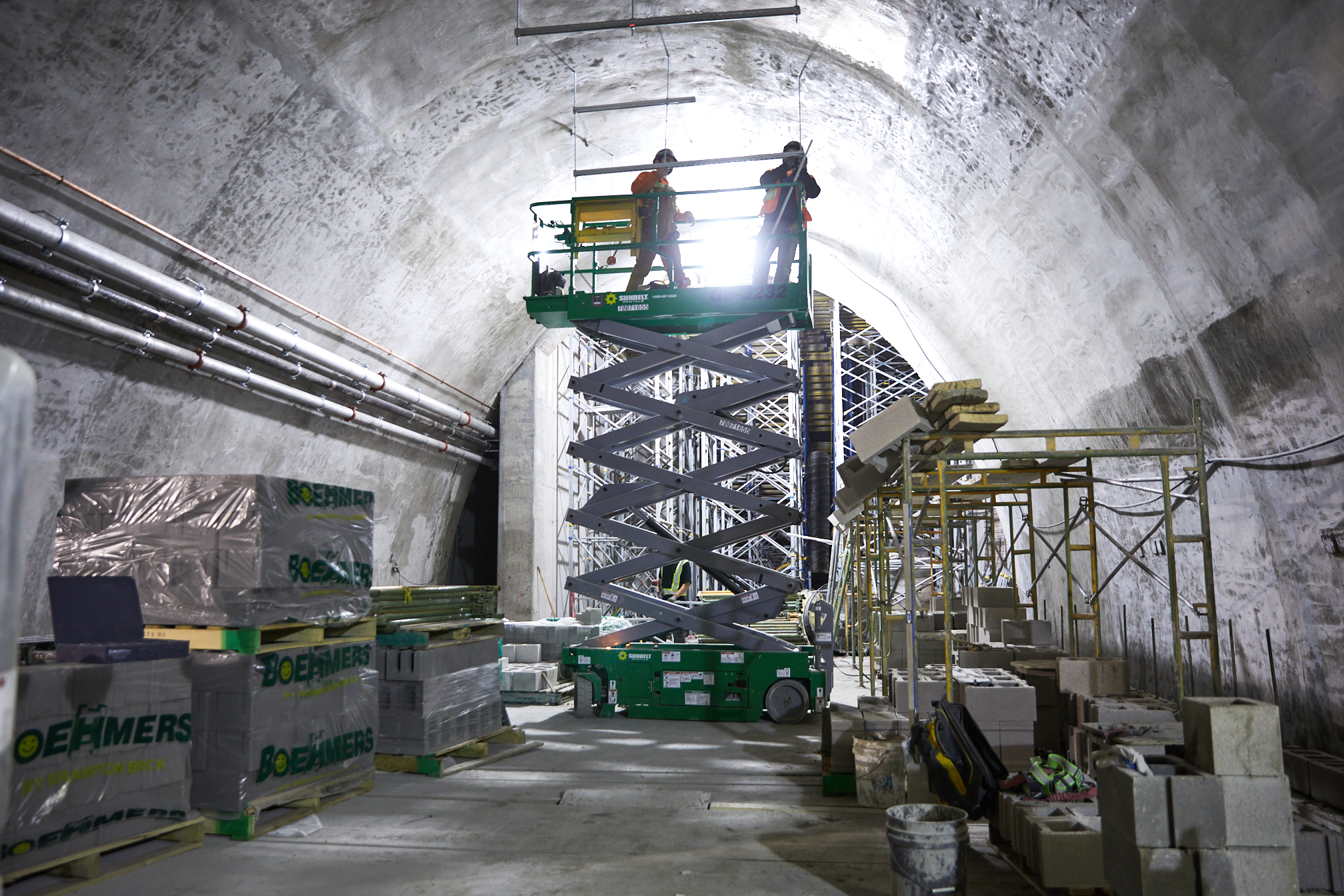
You must verify the lift's stowed height to ensure it can fit under door frames and headers on its way to the work zone. Check the stowed height of the lift against all door frames, headers, HVAC ducts, and overhead obstructions along the route to the work area.
Many standard lifts feature folding guardrails to reduce their vertical profile, allowing them to pass through standard 80-inch doorways.
Maneuverability in Confined Areas
Working in tight warehouse aisles requires a lift with a tight turning radius to avoid hitting racks or inventory. Zero-turn radius lifts can pivot within their own footprint, allowing operators to position the platform exactly where needed without complex multi-point turns.
Compact models are essential for remodels or occupied facilities where space is at a premium.
Surface Type and Wheel Configuration
Non-marking tires are mandatory for finished indoor surfaces to avoid costly remediation. Rough terrain tires with aggressive treads are required for outdoor stability. Using the wrong tire type can lead to loss of traction or damage to the client's property.
Weather and Environmental Conditions
Operating outdoors requires strict adherence to wind speed ratings to prevent the lift from becoming unstable at height. Outdoor-rated lifts are engineered to withstand specific wind loads, while many indoor-only lifts are rated for zero wind. Never operate a lift outside its rated environmental envelope.
Emissions and Noise Considerations
Using combustion engines in enclosed spaces creates dangerous fumes, making electric models the only safe choice for most indoor work. Electric models are the only compliant choice for unventilated interiors.
Diesel units are reserved for outdoor use or well-ventilated structures where noise and exhaust do not pose a hazard to personnel.
Choosing the Right Lift to Rent
Renting provides access to a compliant, well-maintained fleet sized exactly for your project needs. We help you evaluate height, capacity, and site conditions to finalize your scissor lift rental. Our team ensures you have the right machine to keep your timeline on track and your workers safe.


