
Use the Sunbelt Rentals App
Find, rent, and return equipment, right at your fingertips

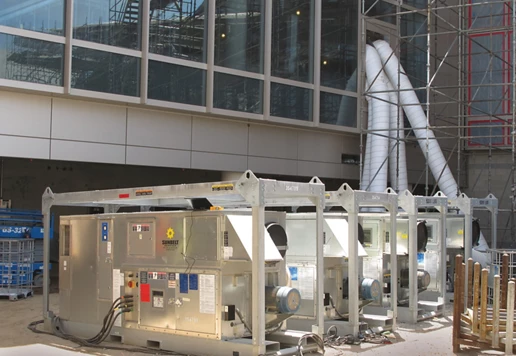
Controlling Humidity with a Dehumidifier for Construction Sites
Controlling humidity at your job site isn't just about comfort; it's the difference between a smooth project and a costly one. By actively managing moisture, you're protecting your investment, materials, crew, and timeline. We’ll cover the essentials for using a construction dehumidifier rental to keep your project moving. Click any of the links below to jump ahead:
Key Project Risks from Uncontrolled Humidity

Material Damage
Moisture softens drywall, warps millwork, and causes flooring adhesives to fail, leading to expensive rework and delays.

Mold Growth
Humidity breeds mold, which creates health risks for workers and long-term air quality problems for the building.

Schedule Delays
Critical tasks like curing concrete, drying paint, and installing floors can’t happen in high humidity, pushing your completion date back.

Failed Inspections
High moisture readings in slabs or framing can cause a failed inspection, forcing you to stop work until the site is properly dry.
Prevent Mold at the Construction Site
A damp job site is a breeding ground for mold. This is a major health risk and a huge liability. When mold at construction sites takes hold, it can cause respiratory problems for your crew and lead to expensive, project-halting remediation. The EPA’s guidelines are clear: keeping indoor humidity between 30-50% is the key to stopping mold before it starts.
If you don't get ahead of it, mold can get into the framing, drywall, and insulation, forcing you to tear out and replace materials. Using a construction dehumidifier is your best defense. It pulls that excess moisture right out of the air, creating an environment where mold can't grow. It’s a simple step that protects your crew’s health and the building’s integrity.
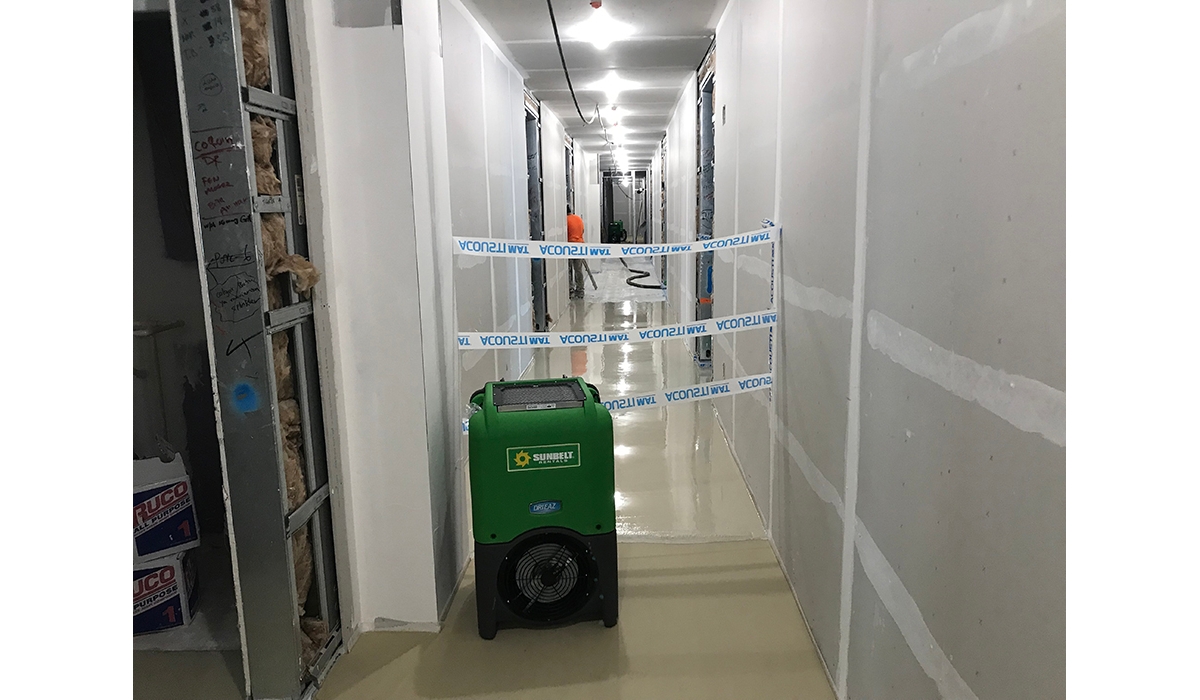
Keep Your Building Materials Dry
Your schedule depends on wet materials drying properly. From fresh concrete slabs to paint and joint compound, everything needs the right conditions to cure and set. When the air is already damp, it can't absorb moisture from drying surfaces. That means your project grinds to a halt.
A dehumidifier for construction gives you control over that process. And yes, a dehumidifier will absolutely pull moisture out of concrete, helping it cure faster so you can move on to installing flooring.
To properly dry construction materials like lumber and millwork, you need active humidity control. It prevents warping and swelling and ensures adhesives bond correctly. It’s how you make sure your materials perform the way they’re supposed to.
Efficiently Manage Construction Budget and Timeline
Downtime kills your budget. When humidity slows you down, your project's profitability is on the line. If your painters can’t apply a second coat or your flooring crew is waiting on the slab to dry, you’re paying people to stand around. Those delays ripple through the entire schedule, causing logistical headaches and pushing back your completion date.
You’re back in control of the schedule when you manage the climate. A construction dehumidifier rental means your crews can keep working, no matter what the weather is doing outside. You can hit your critical deadlines, keep labor costs in check, and move the project forward efficiently. It’s one of the smartest ways to protect your budget and timeline.
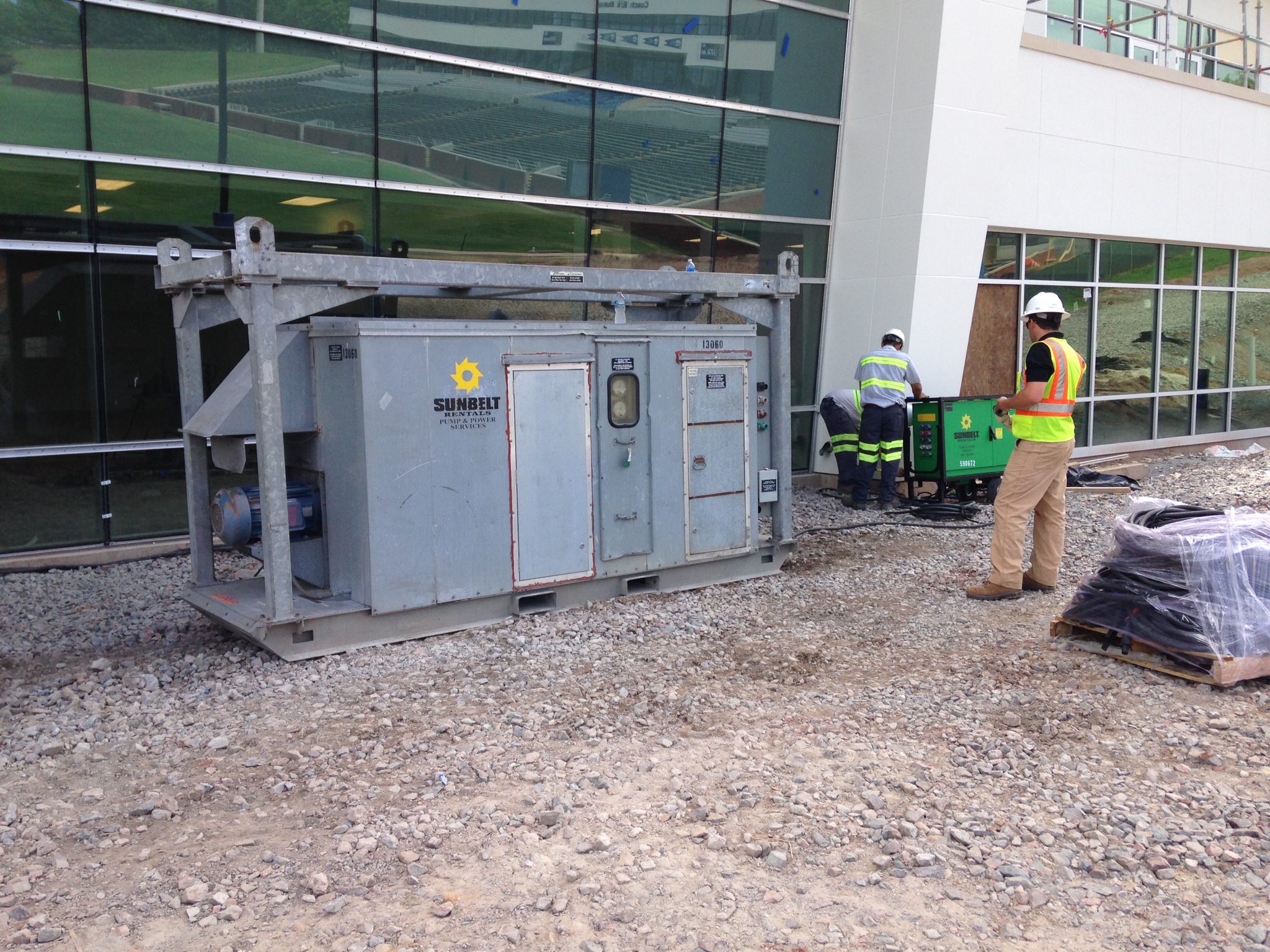
Avoid Construction Warranty Claims
A job isn't done when you hand over the keys. Moisture trapped in the walls during construction can cause major problems months or even years later. Those issues lead to expensive warranty claims that damage your reputation and your bottom line. Warped floors, peeling paint, and hidden mold are time bombs waiting to go off.
The only way to avoid warranty claims for construction is to make sure the building is bone-dry before you close it up. Using dehumidifiers during the finishing stages is risk management, full stop. It ensures moisture levels are where they need to be, giving you proof that you delivered a solid, dry building and protecting you from future problems.
Rent a Dehumidifier for Your Construction Site
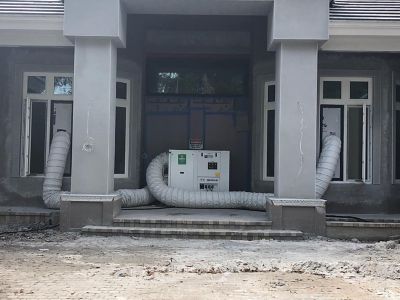
Rent a Dehumidifier for Your Construction Site
Choosing the right dehumidifier for construction isn't one-size-fits-all. The best choice depends on the temperature, the size of your space, and what you need to dry. Here’s a quick rundown of the gear we offer.
LGR Dehumidifiers
Think of these as high-performance dehumidifiers. Low-Grain Refrigerant (LGR) units are champs in high-humidity situations and keep working efficiently even when it gets cooler. They’re your go-to for seriously damp spaces.
Conventional Dehumidifiers
These are your reliable workhorses for general job site humidity. They work best in warmer conditions to keep the air dry, prevent condensation, and improve overall air quality for your crews.
Desiccant Dehumidifiers
When it's cold or you need things bone-dry, these are the answer. Desiccant units use a special material to absorb moisture, so they’re incredibly effective at low temperatures and for pulling stubborn moisture out of dense materials like concrete.


Tackle Humidity Control at Construction Sites
Tackling humidity control at construction sites is a tough job, but you don't have to do it alone. At Sunbelt Rentals, our climate control specialists are on call 24/7 to help you engineer the right drying solution.
When you need to rent a dehumidifier for a construction site, we’re more than just a supplier. We're your partner, delivering setup and providing support so you can focus on the job.


